
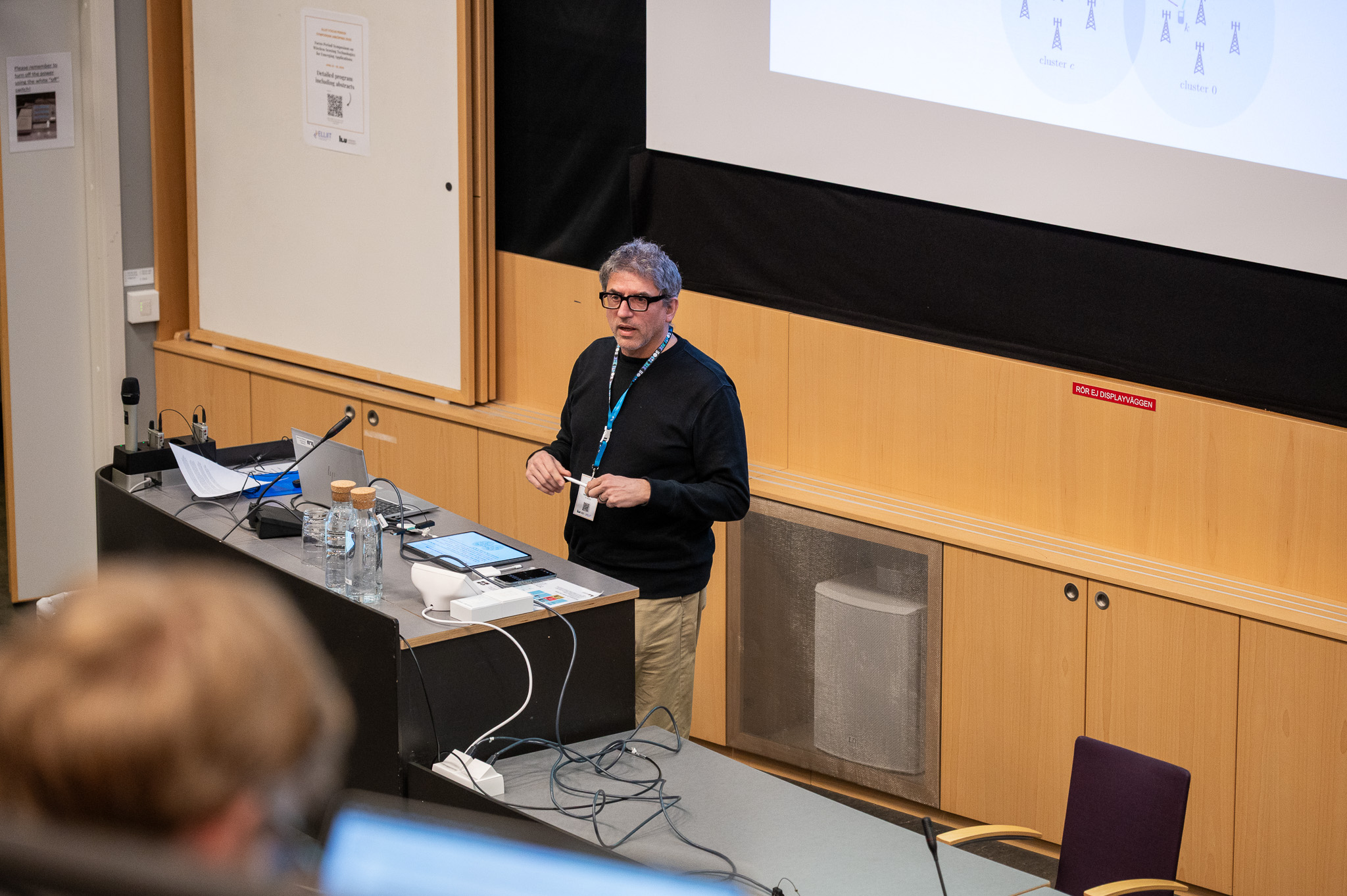
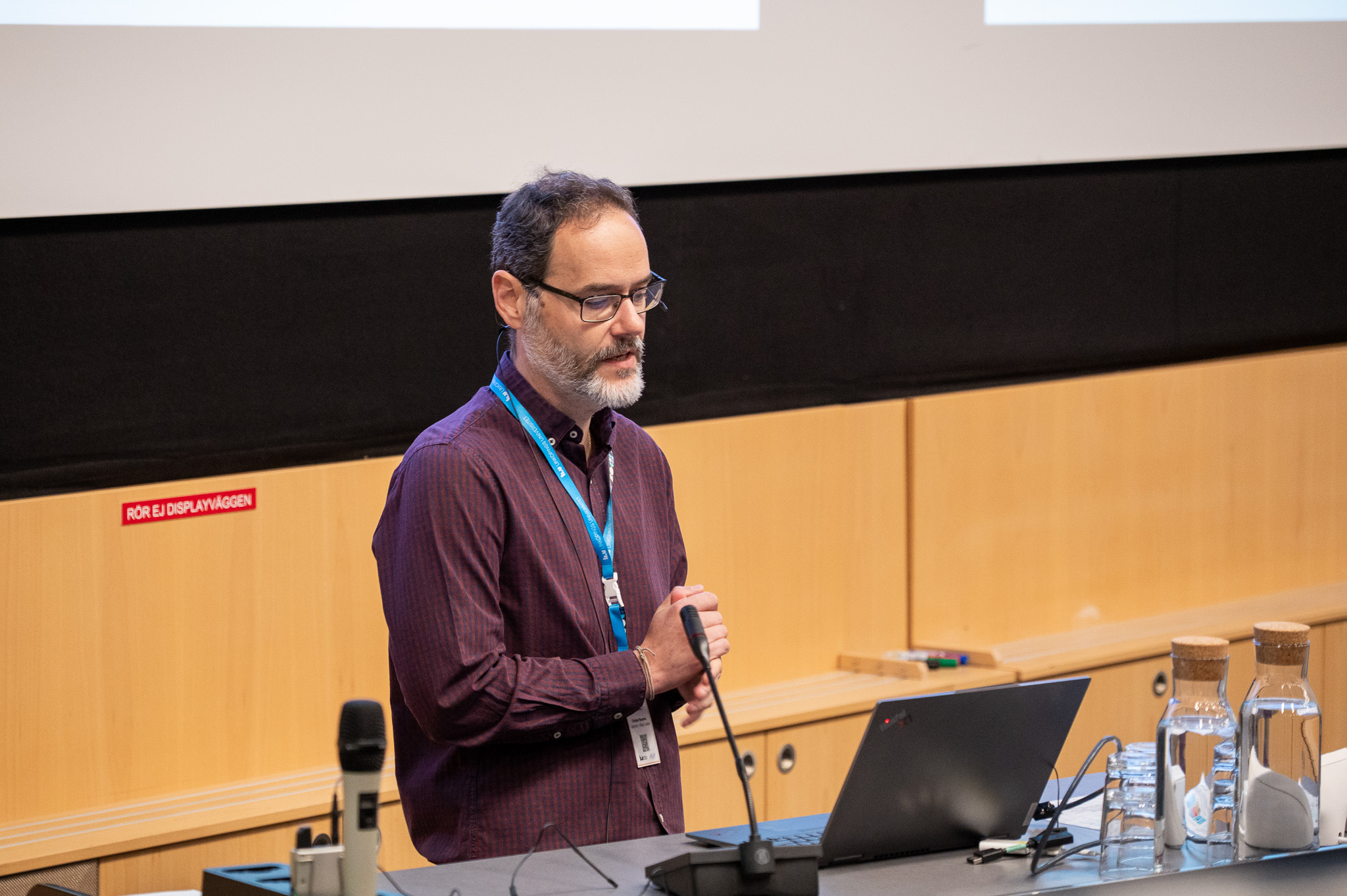
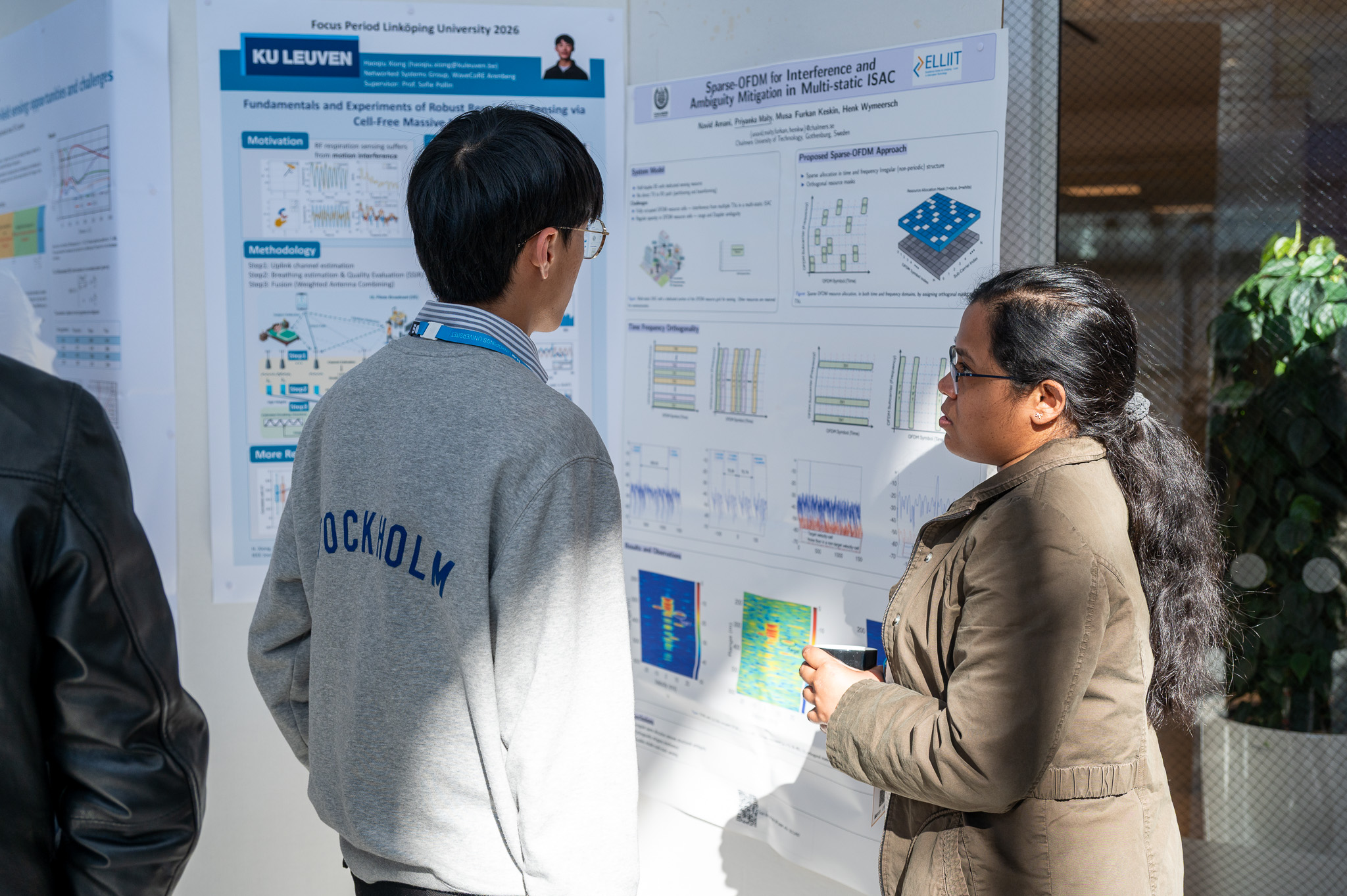
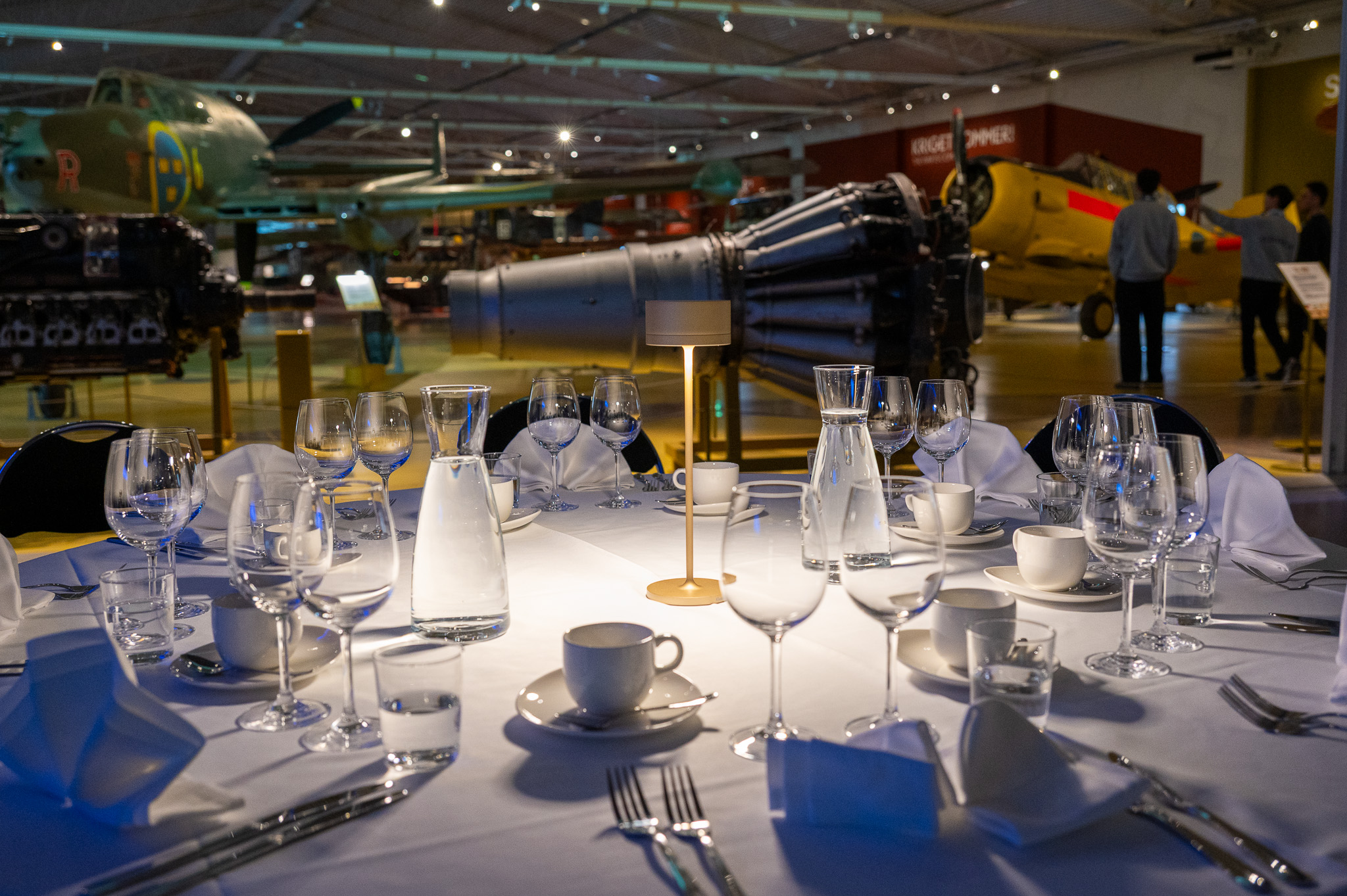
Photos from the symposium
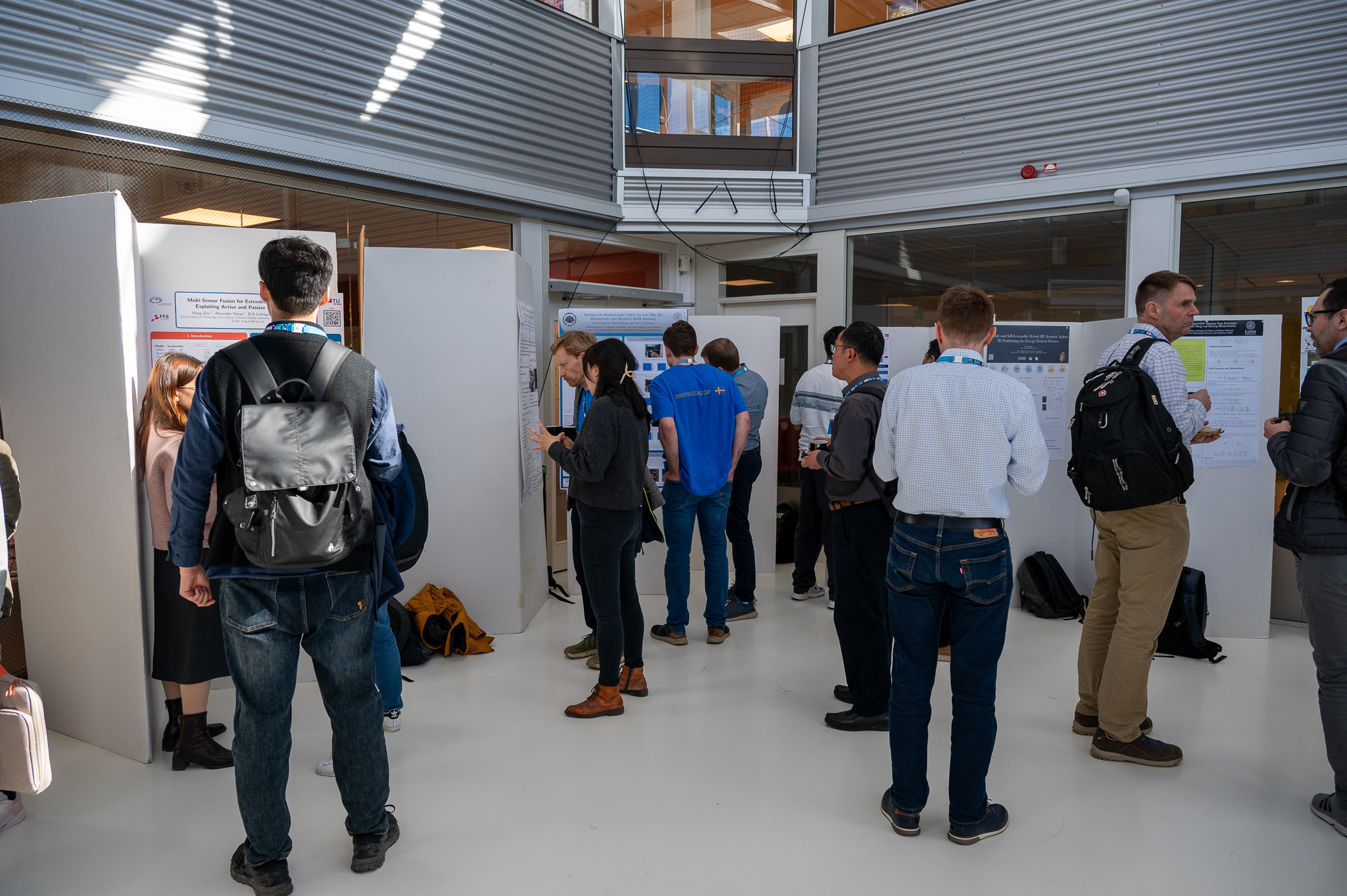
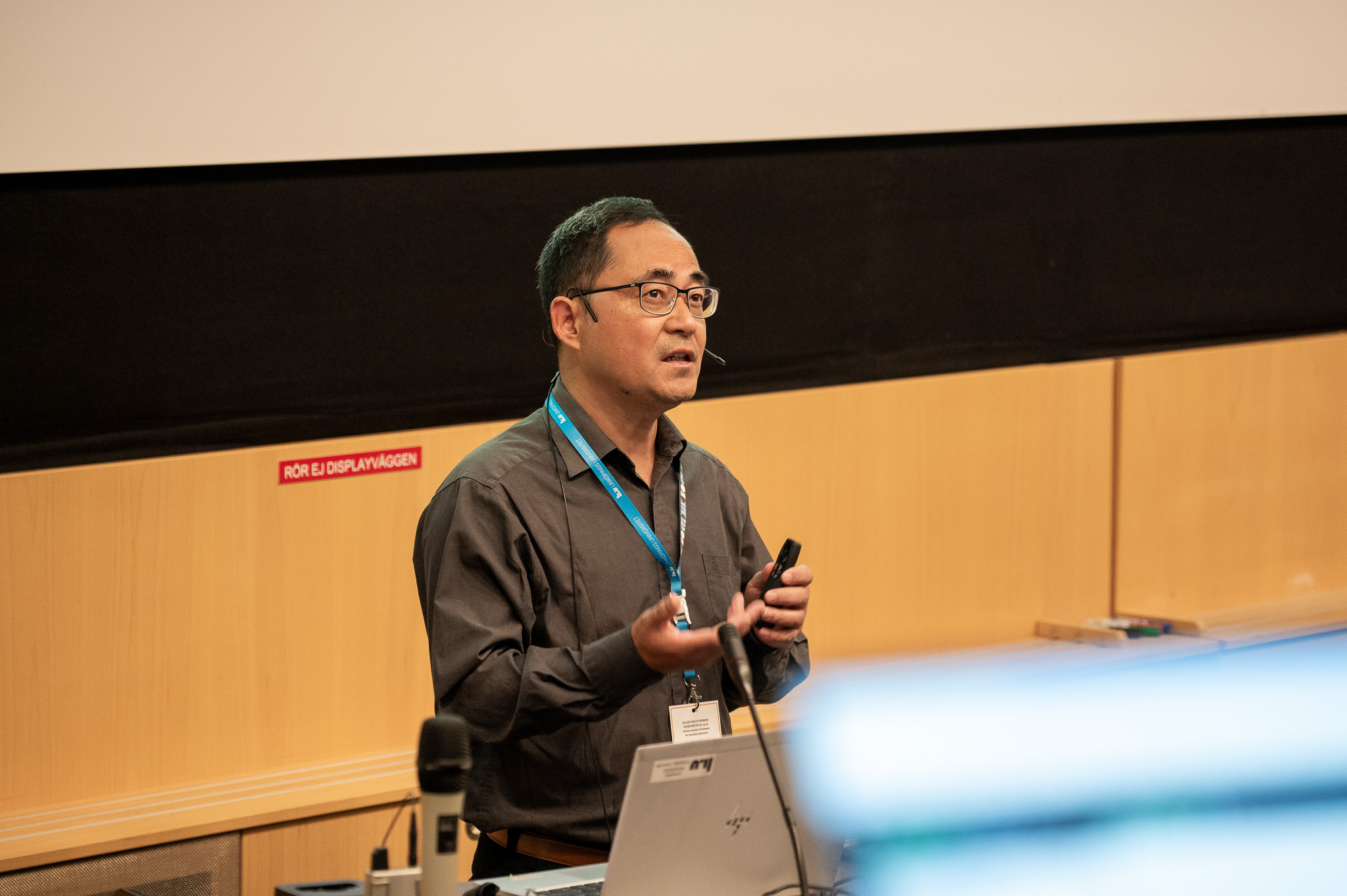
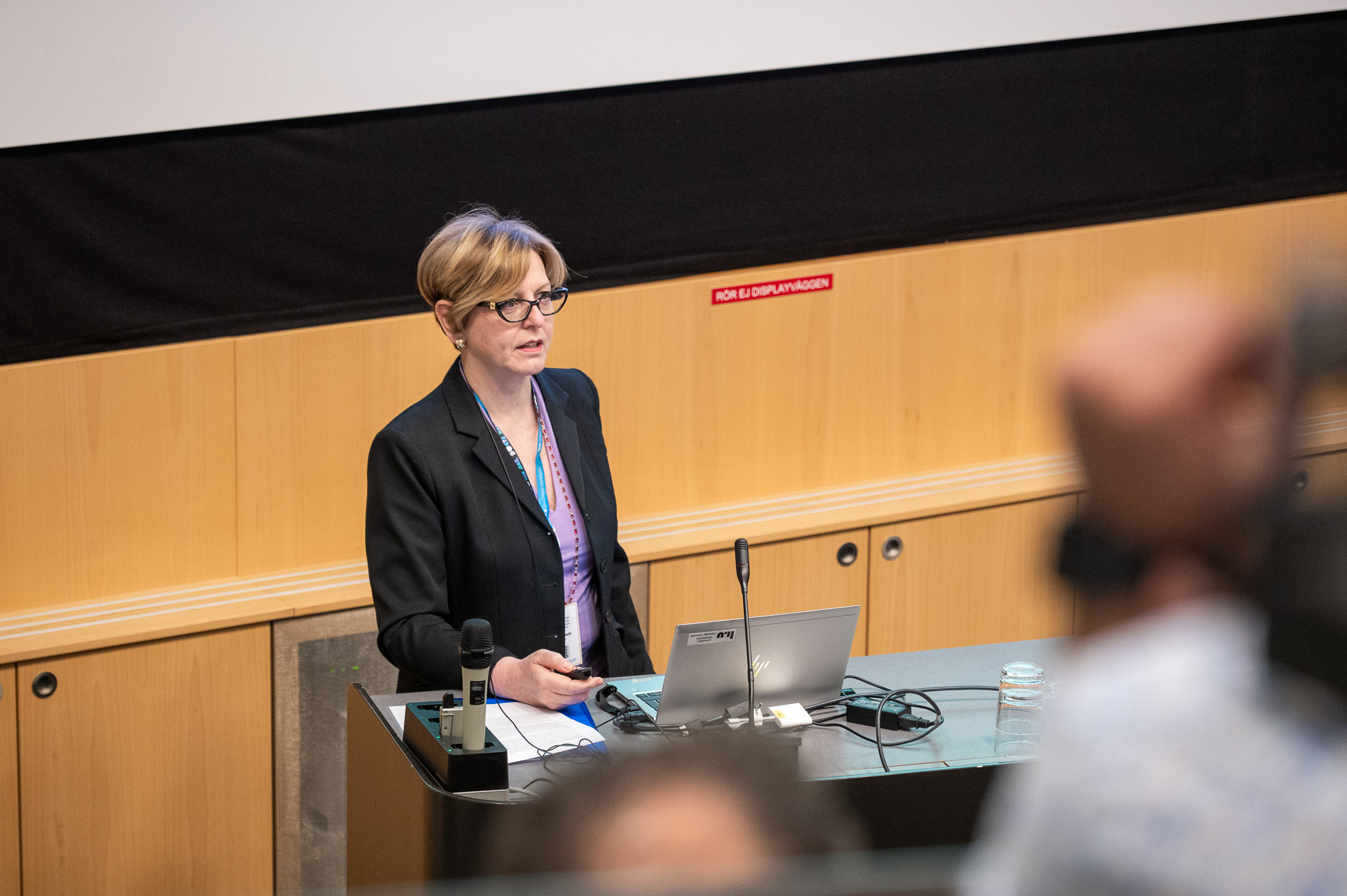
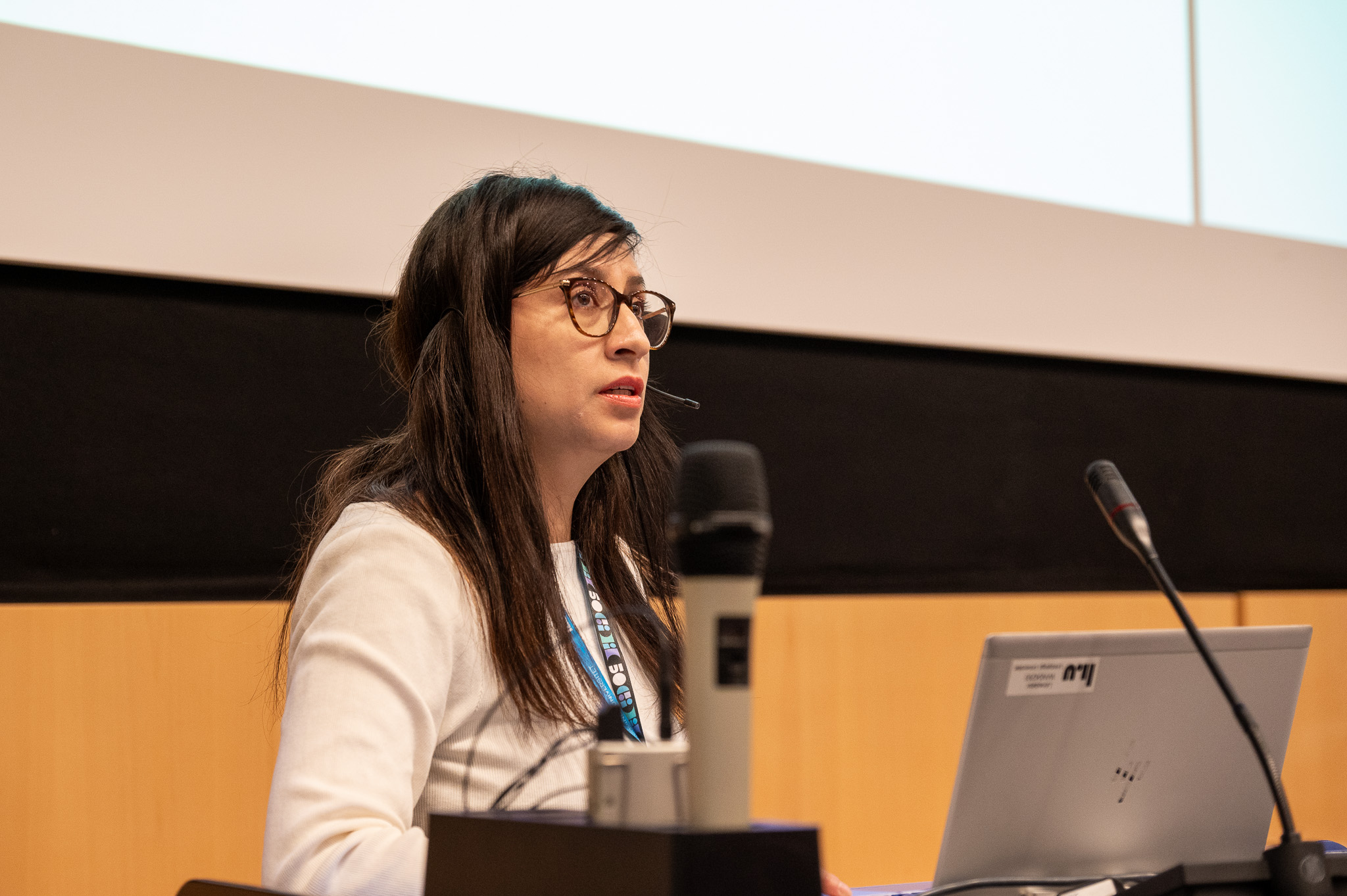
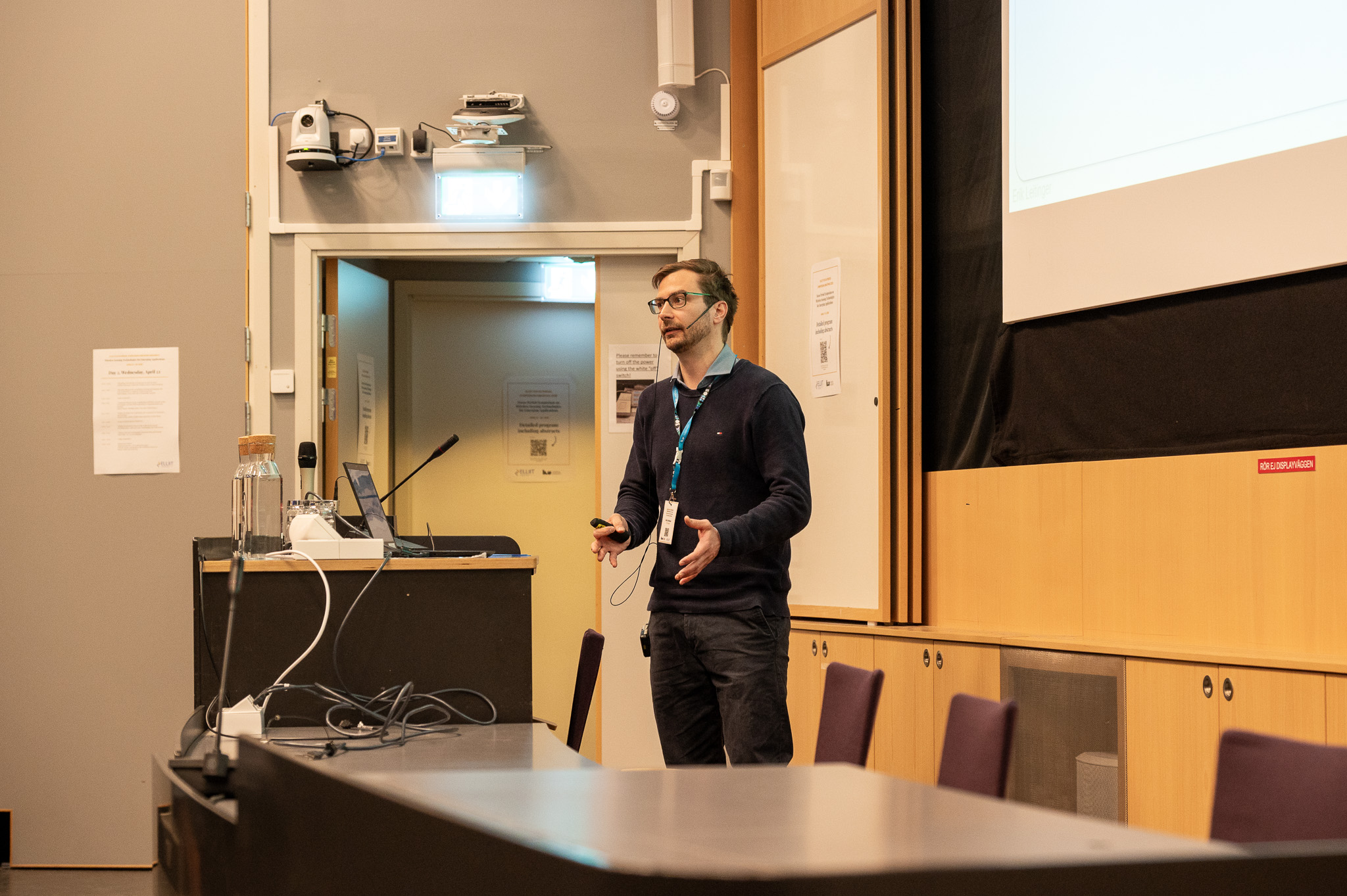
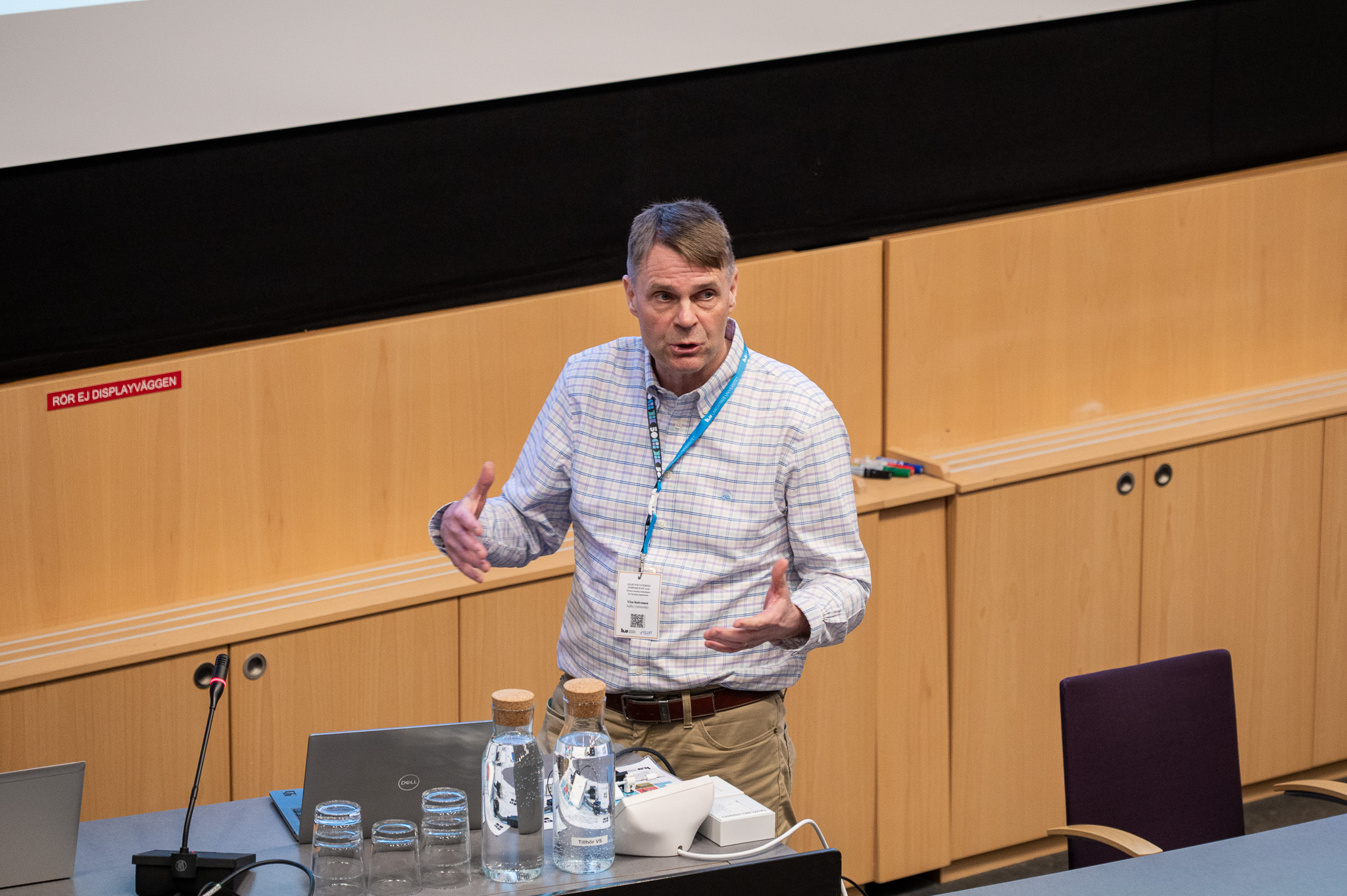
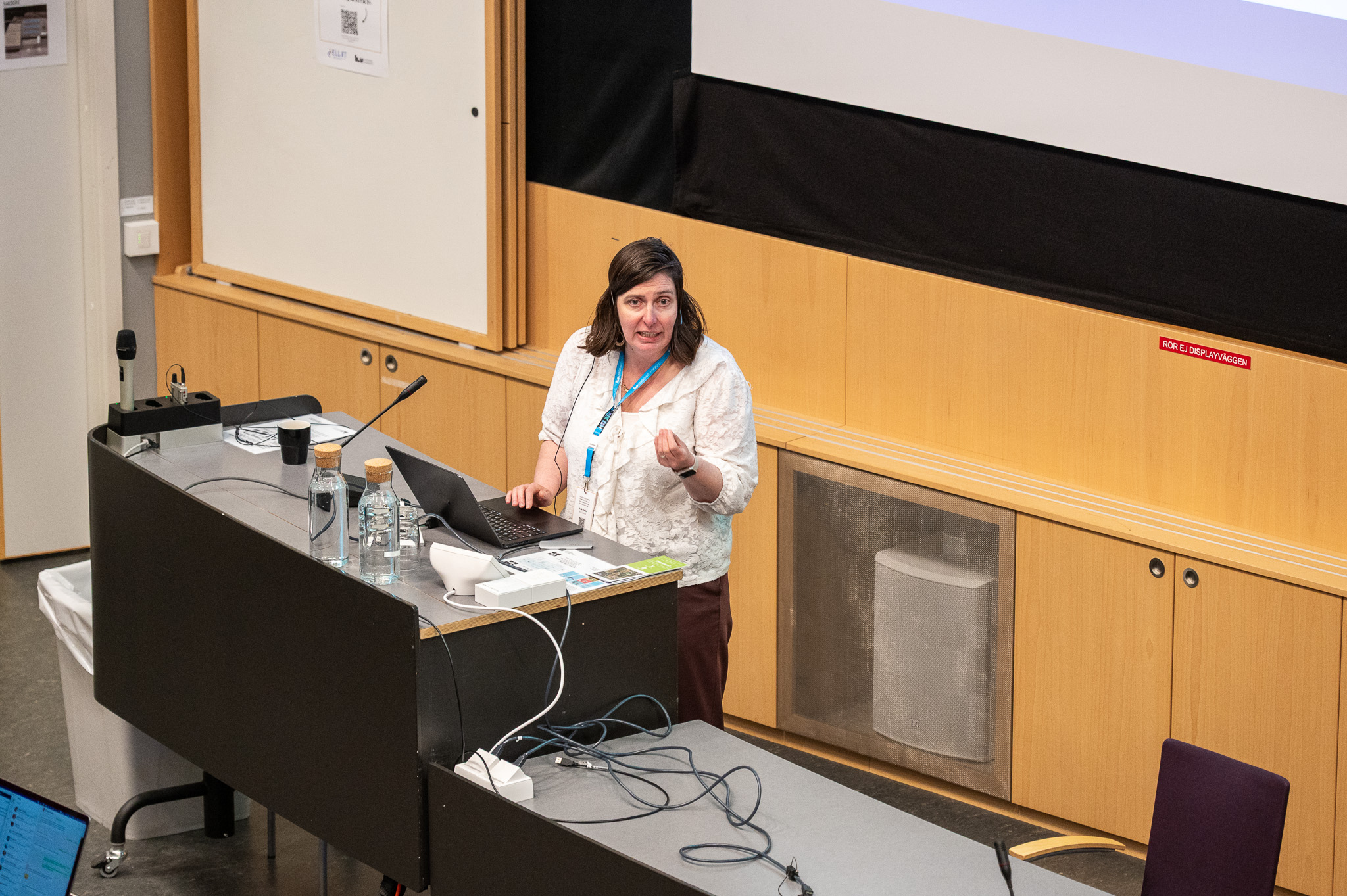
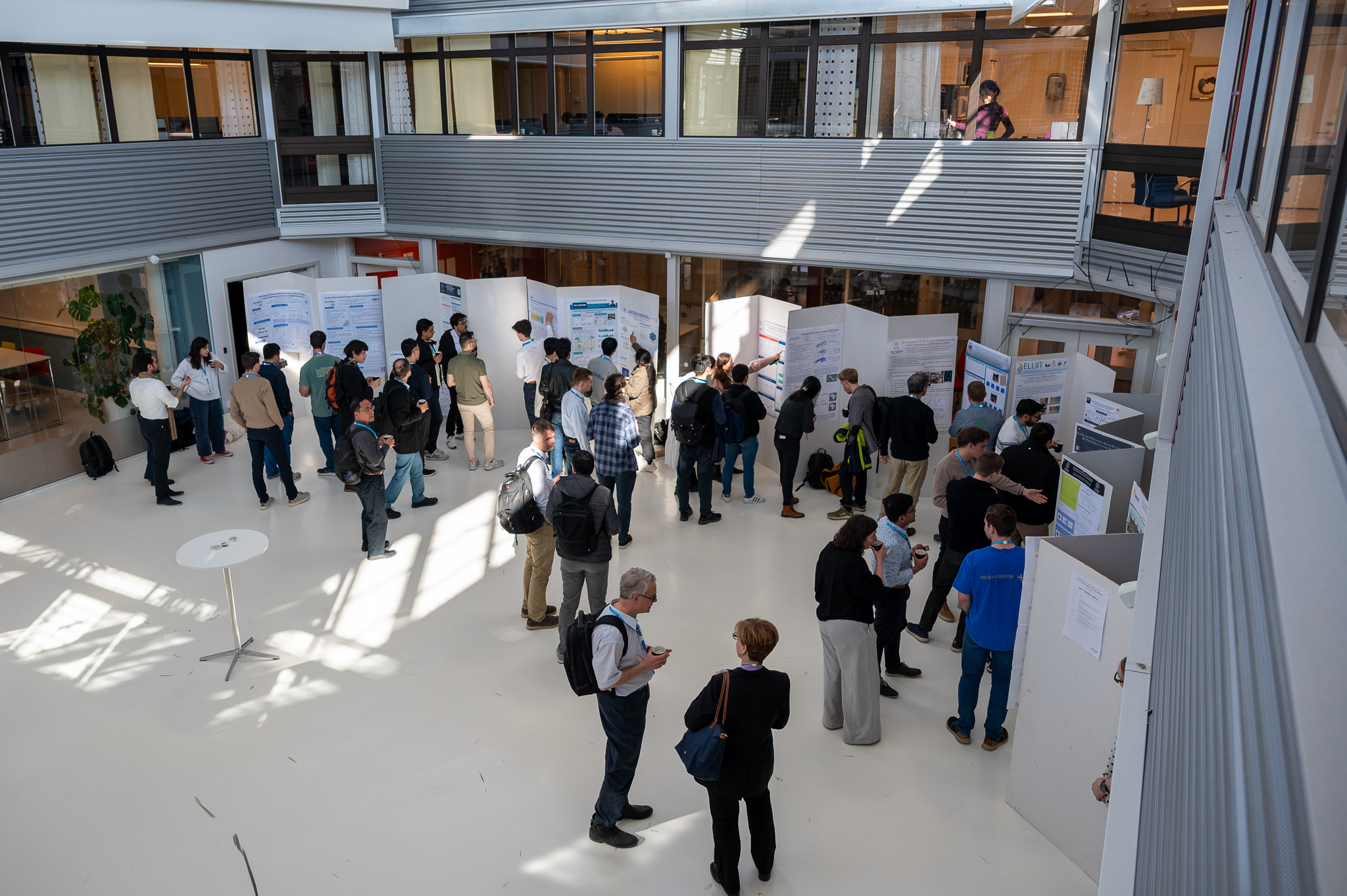
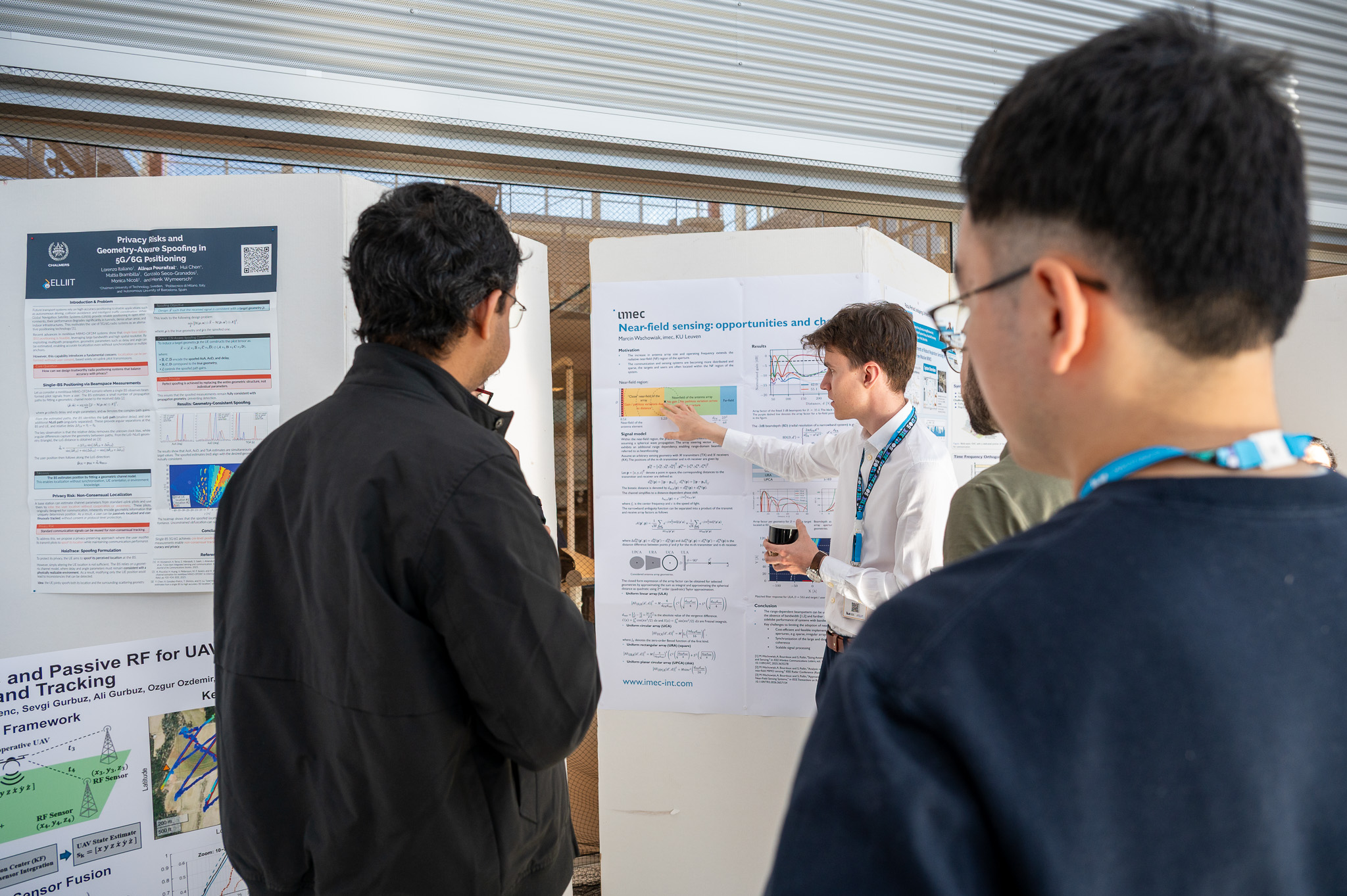
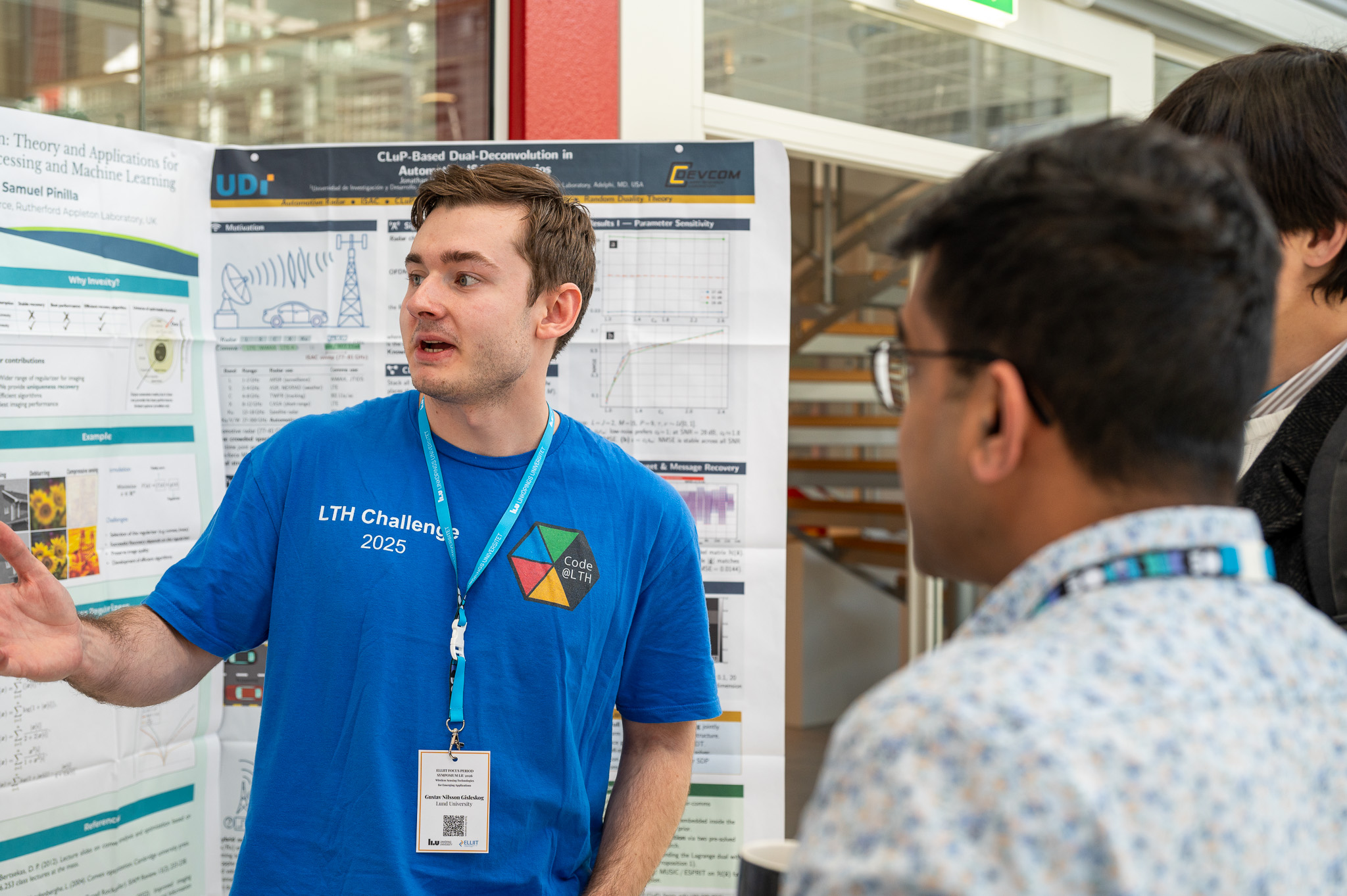
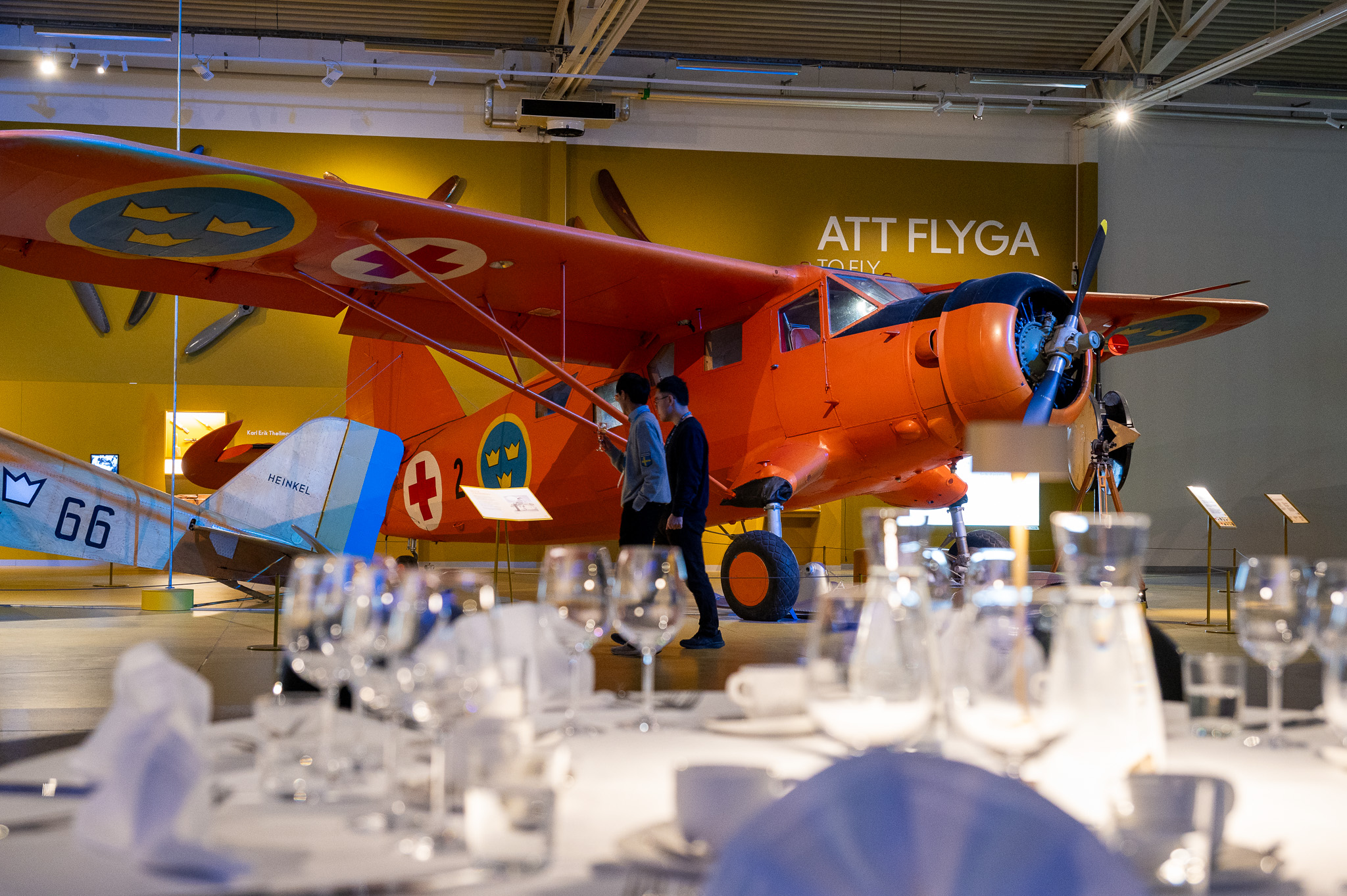
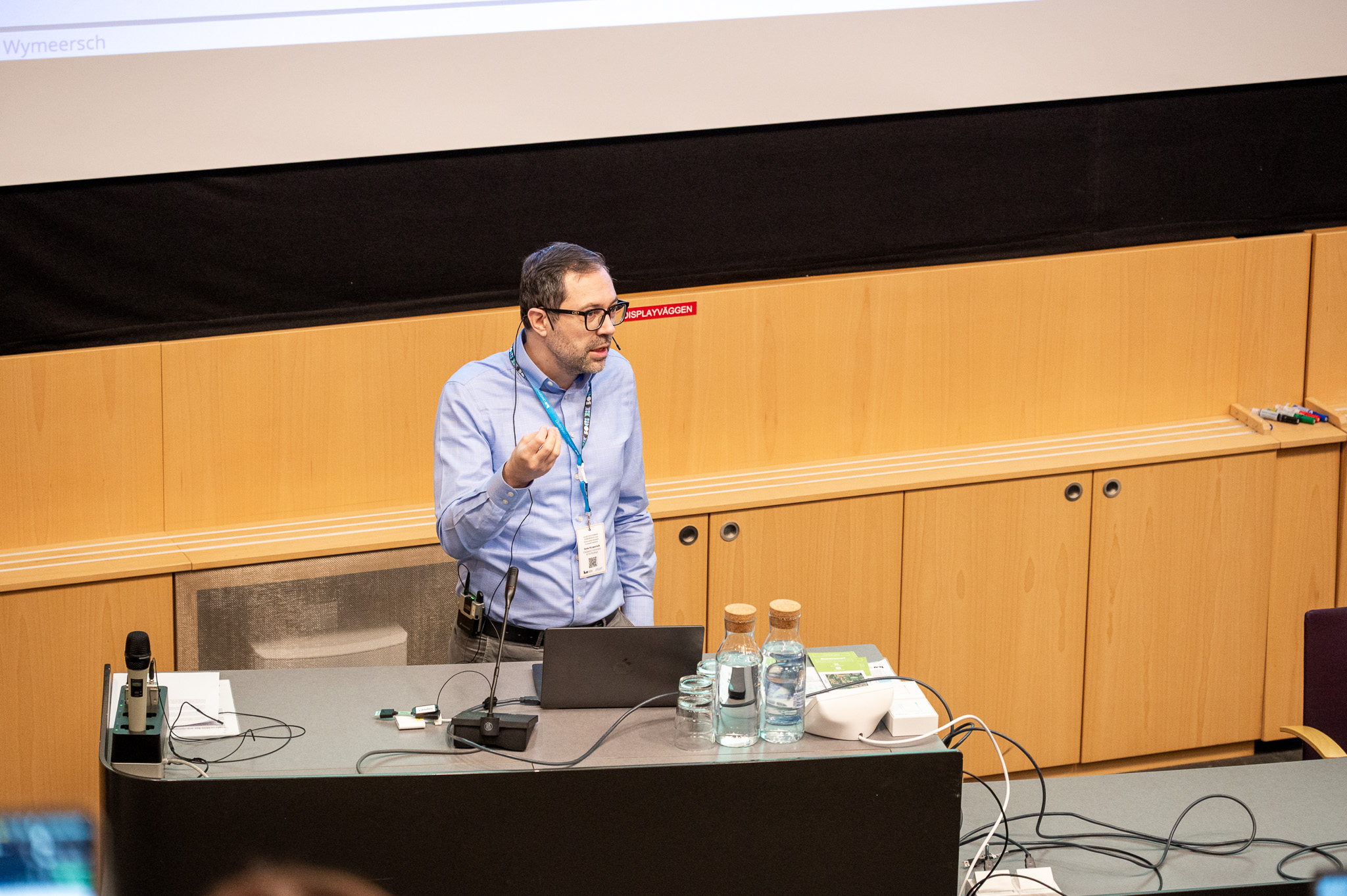
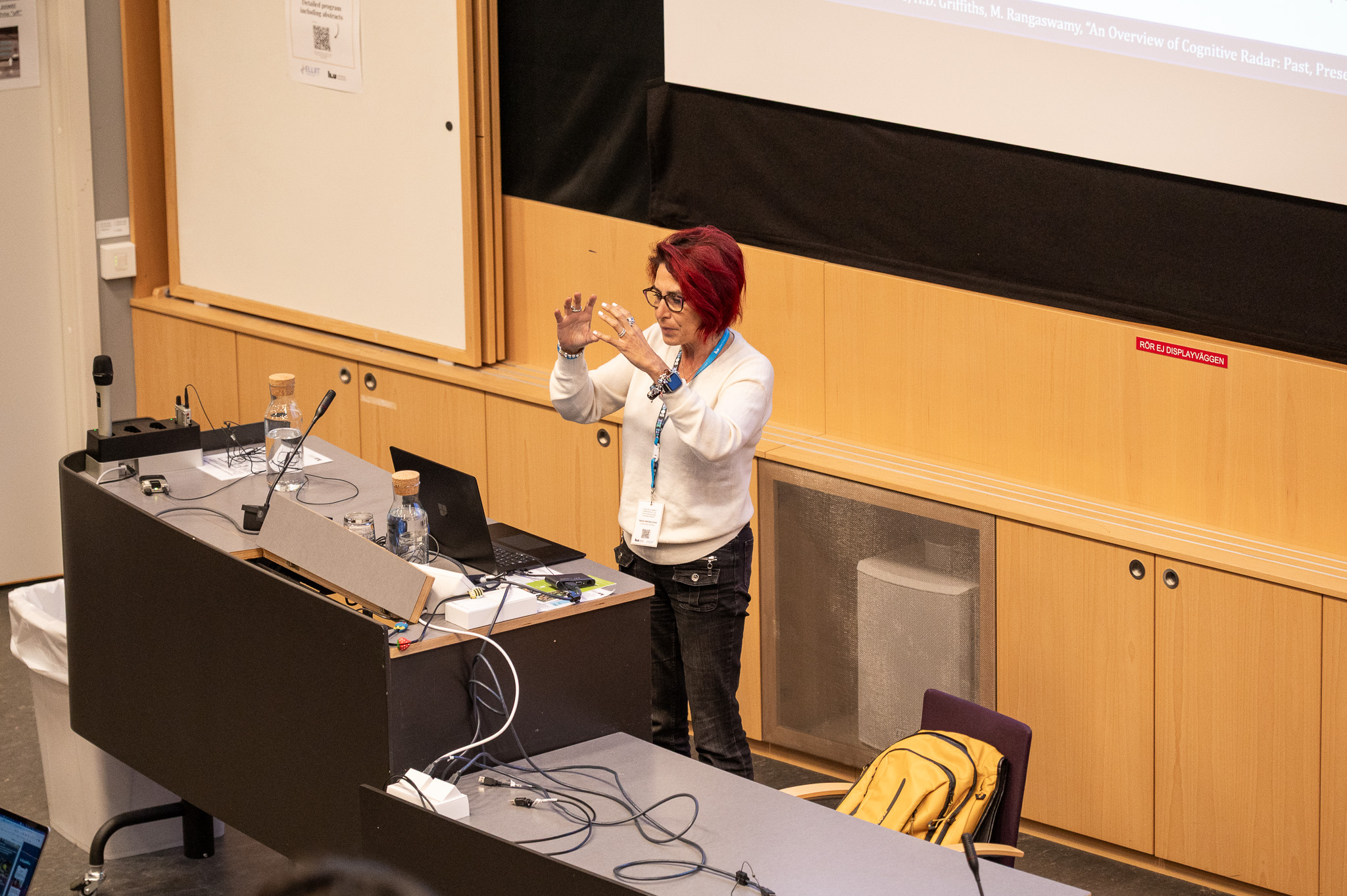
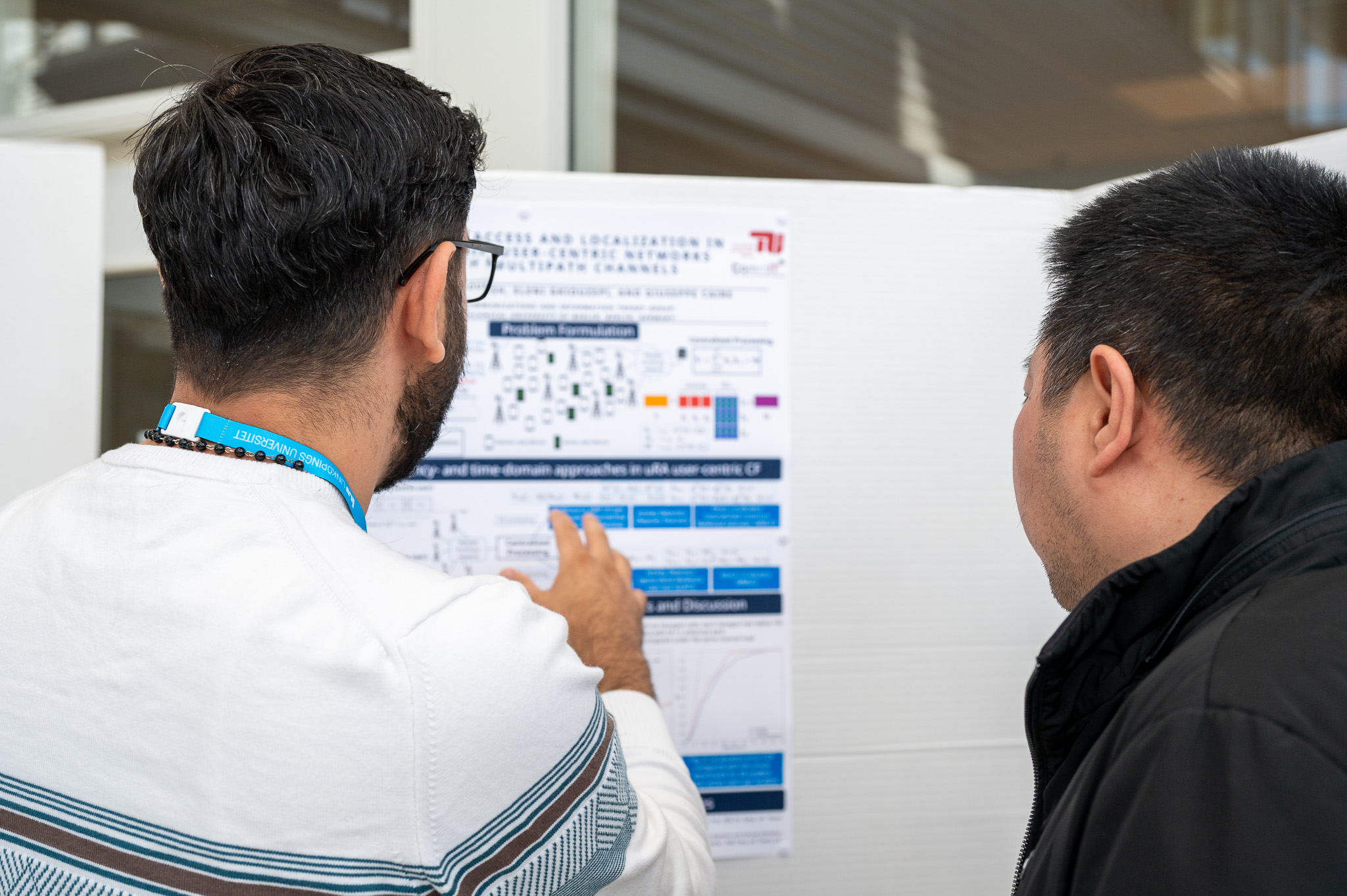
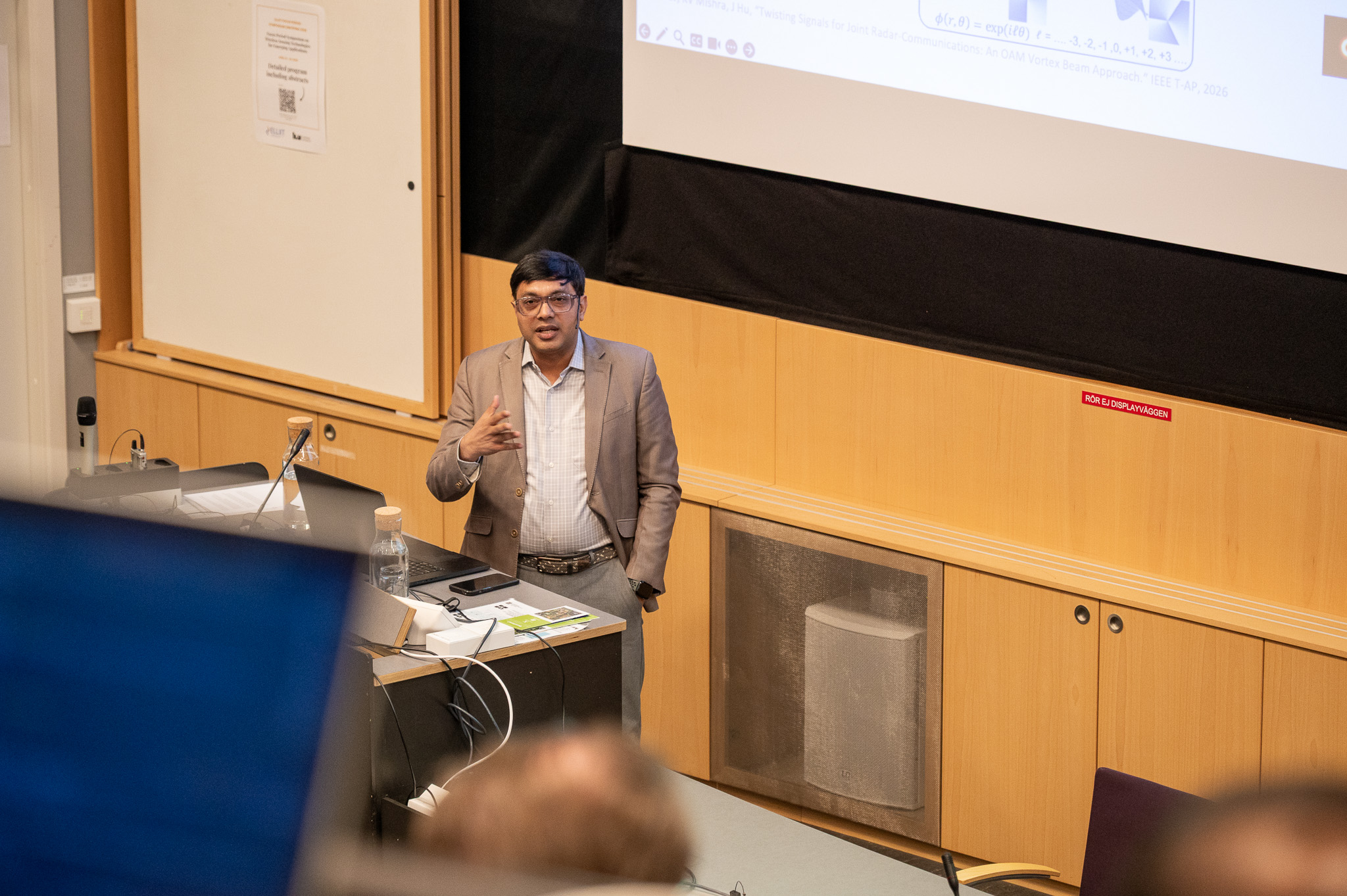
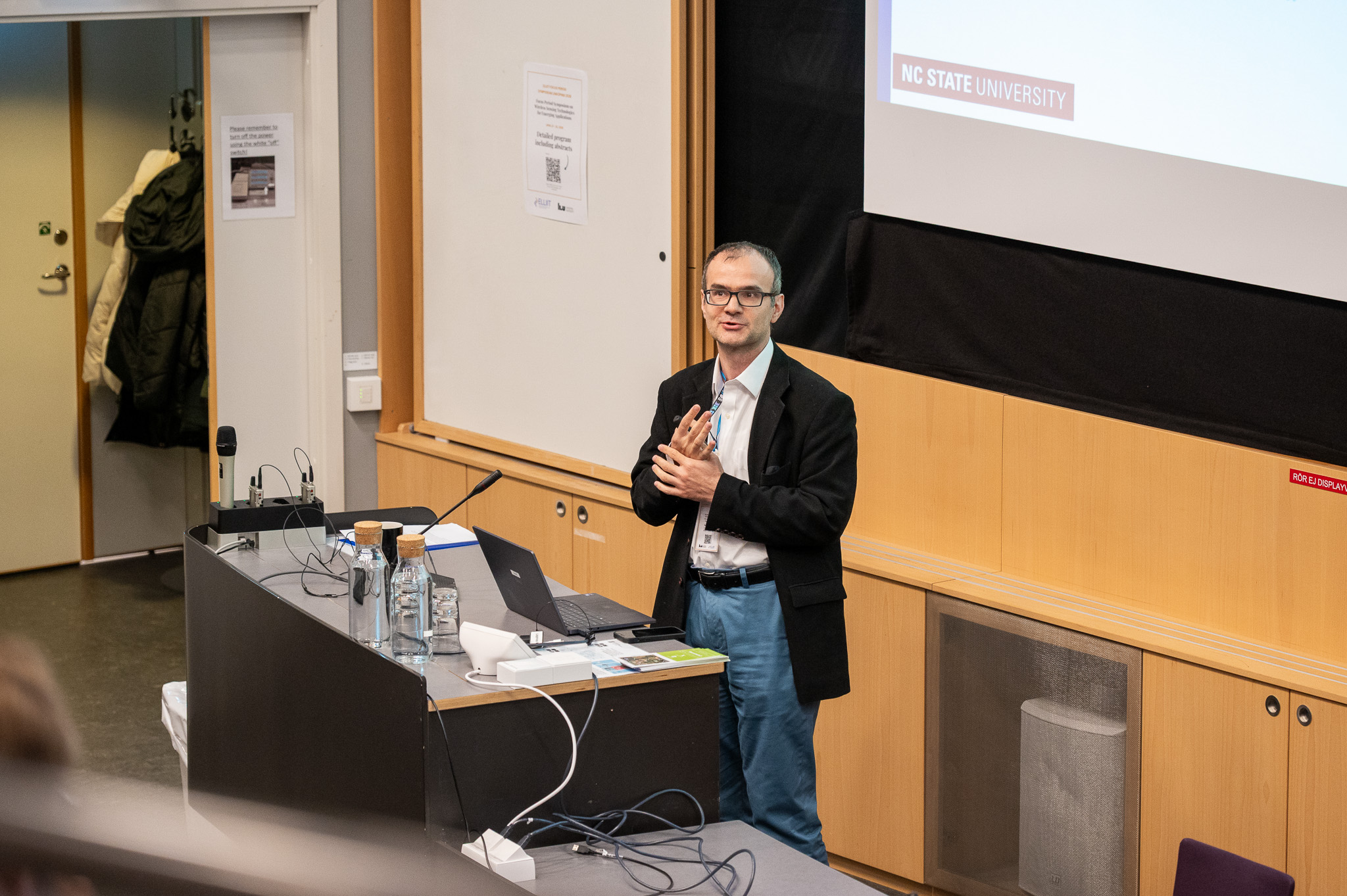
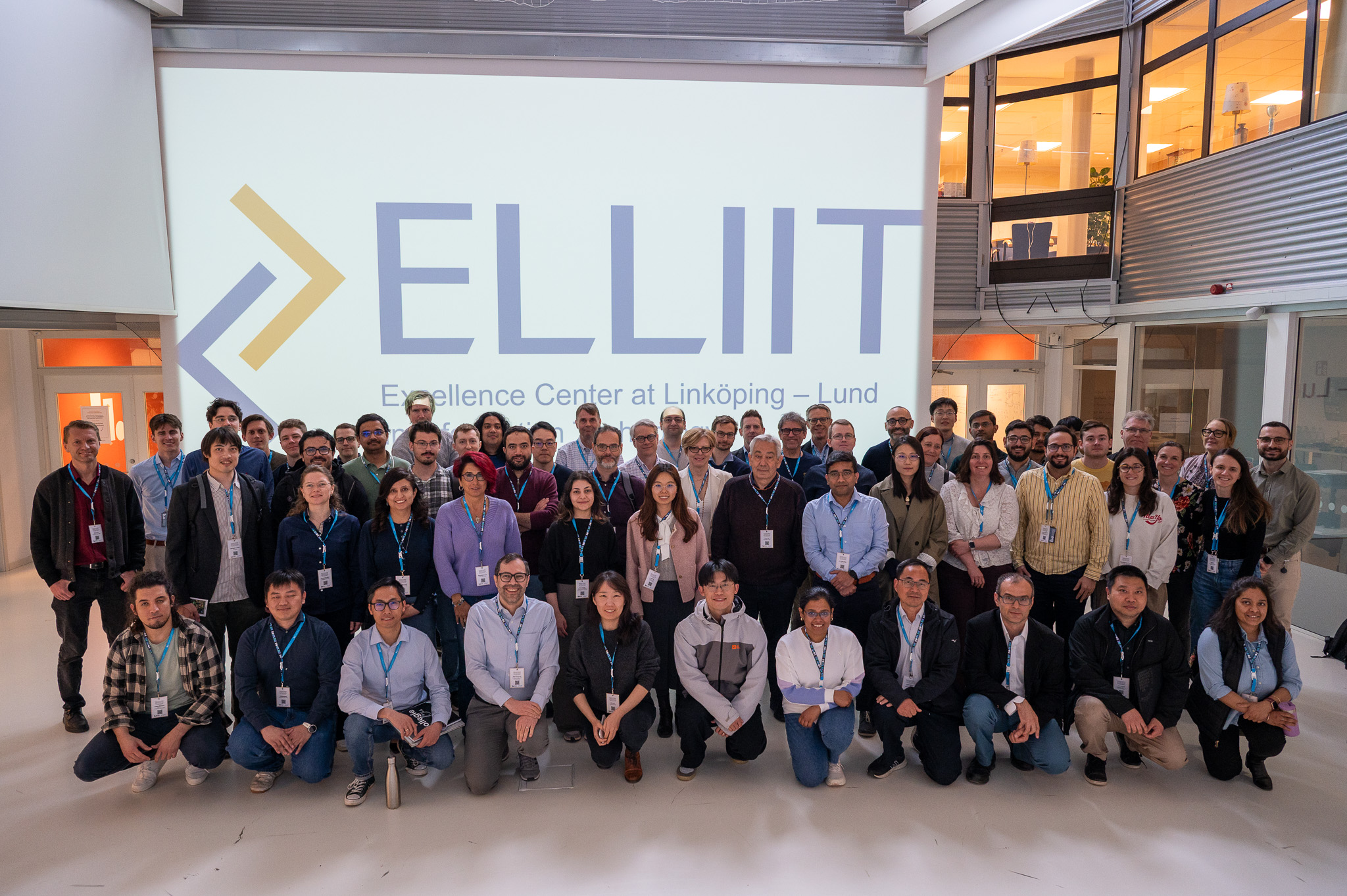
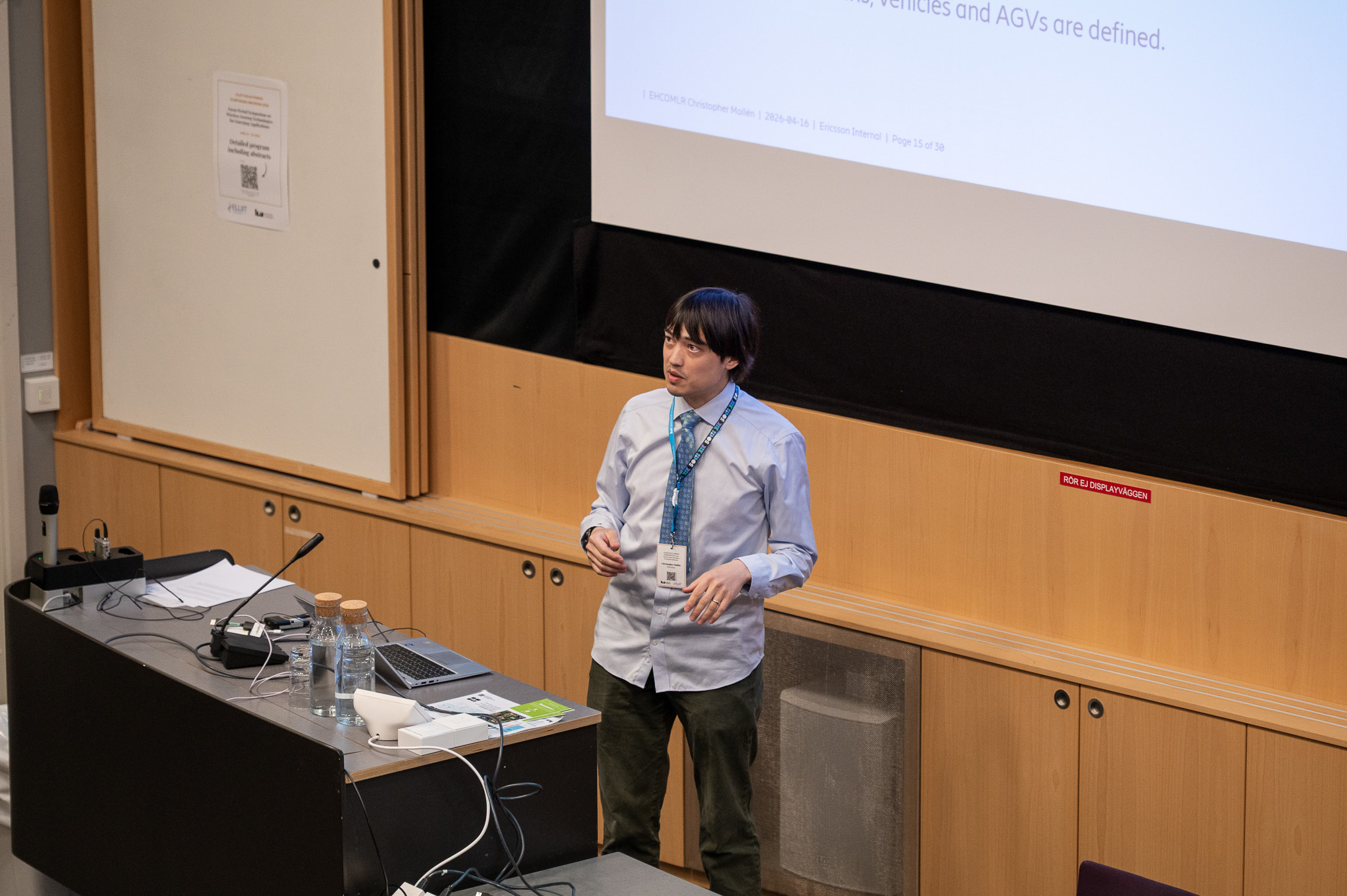
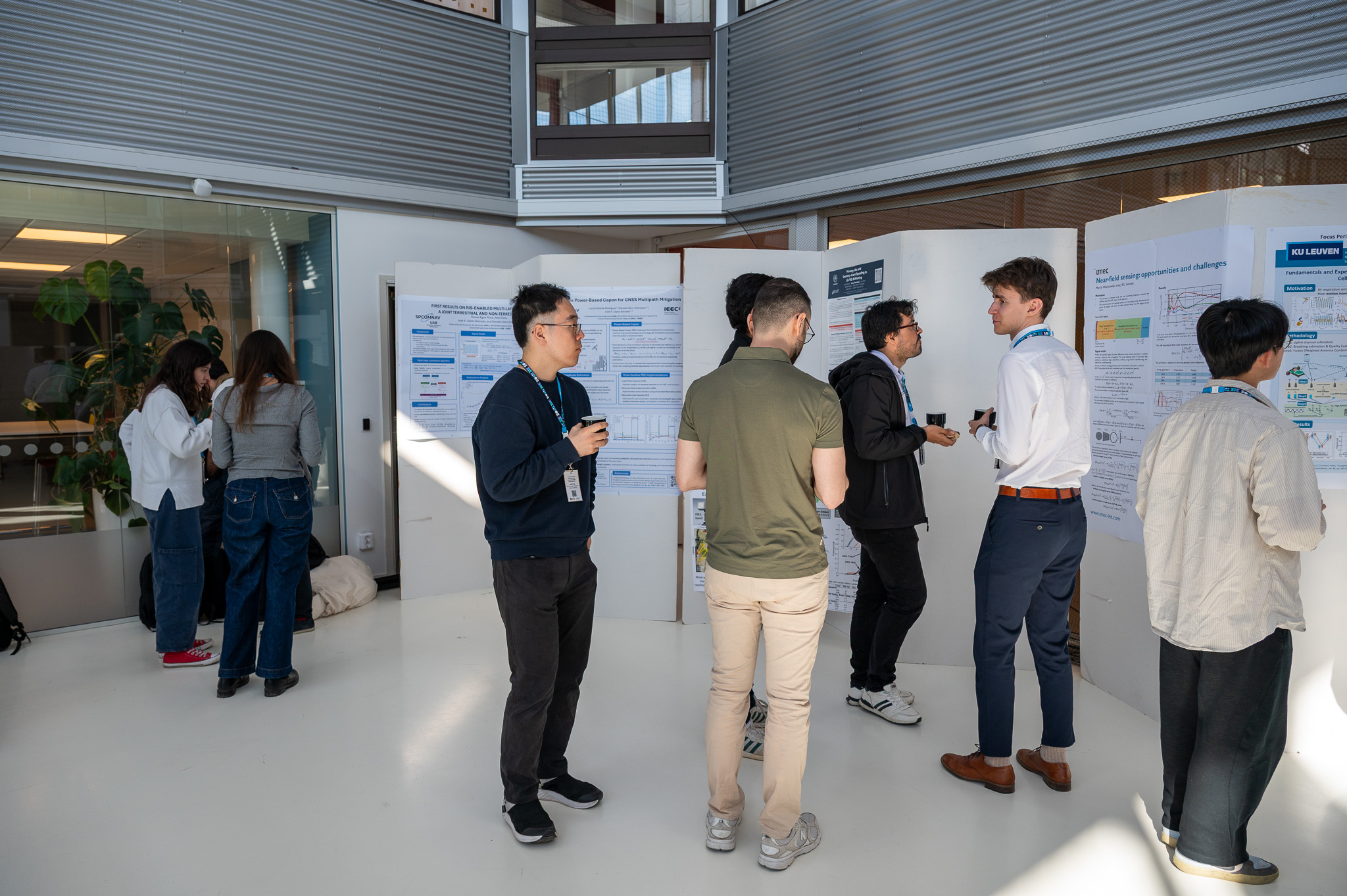
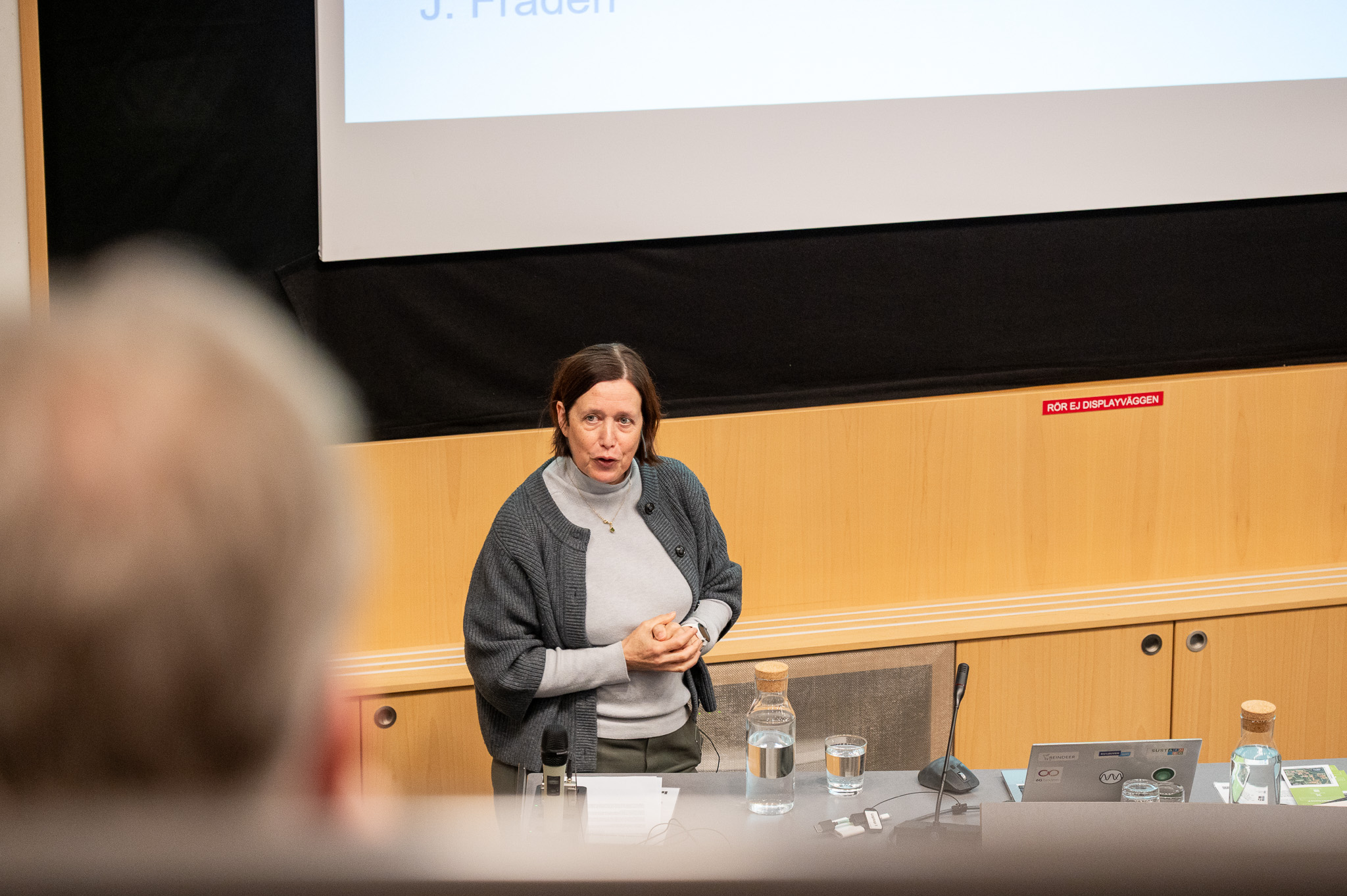
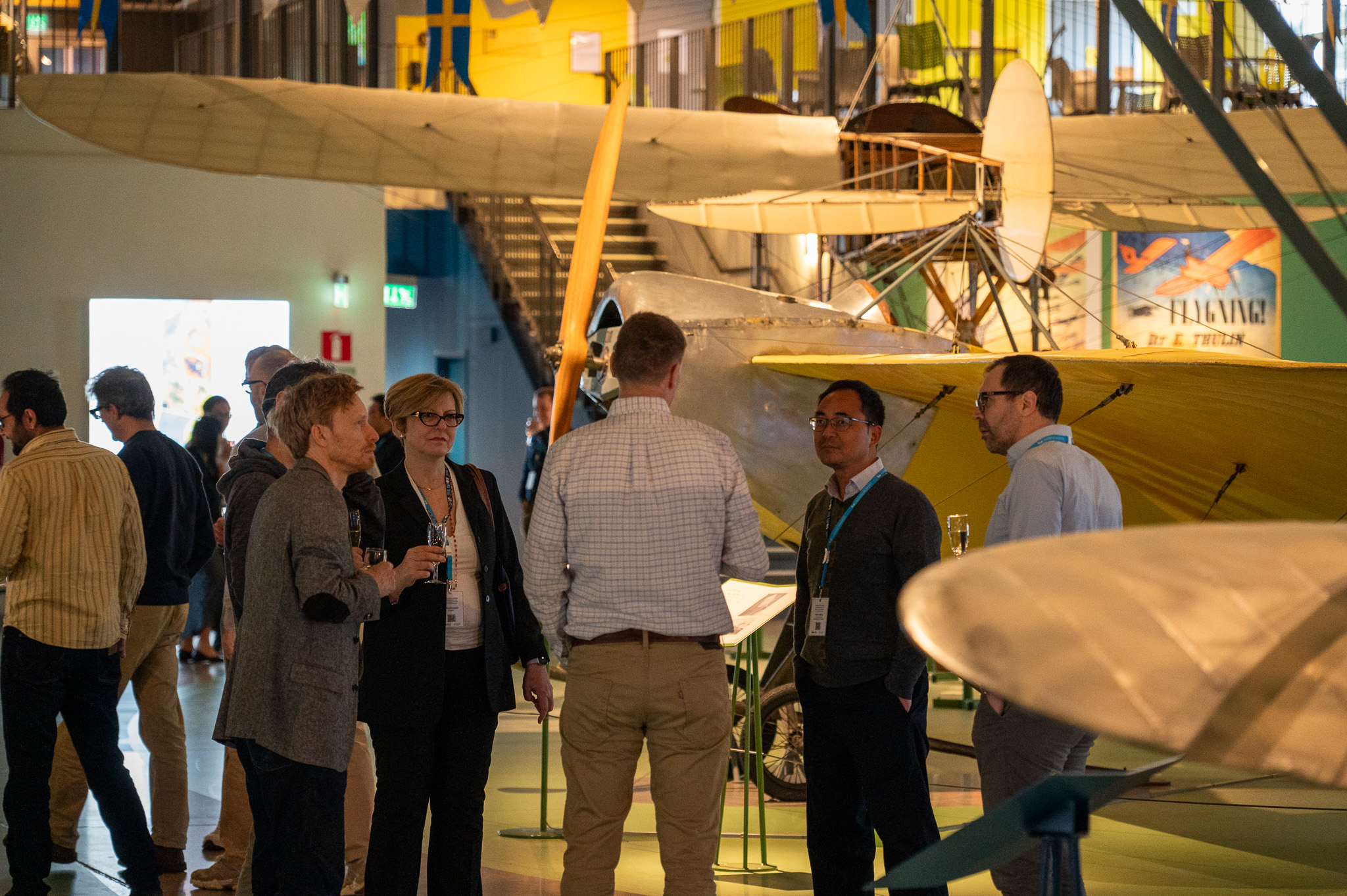
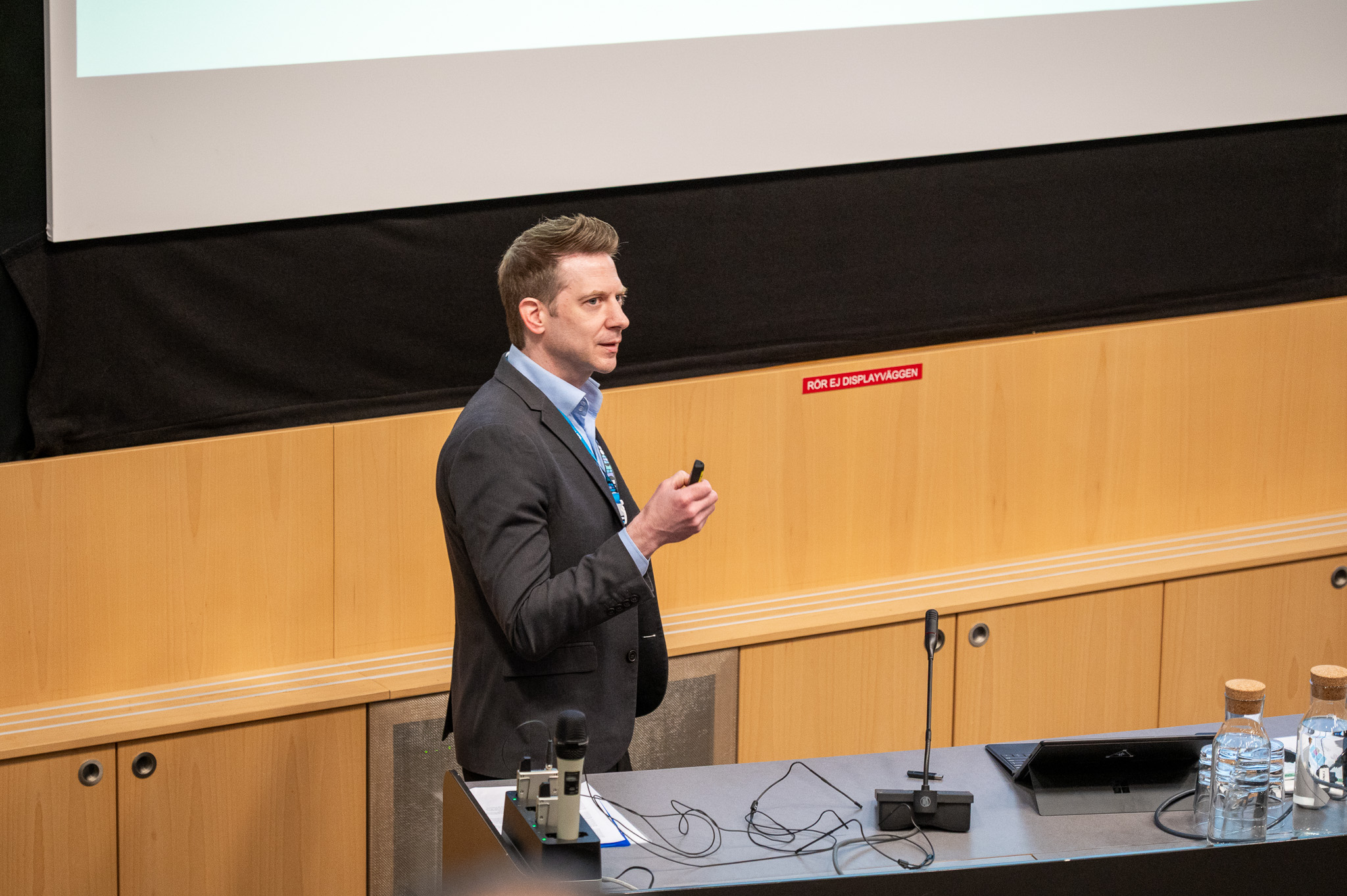
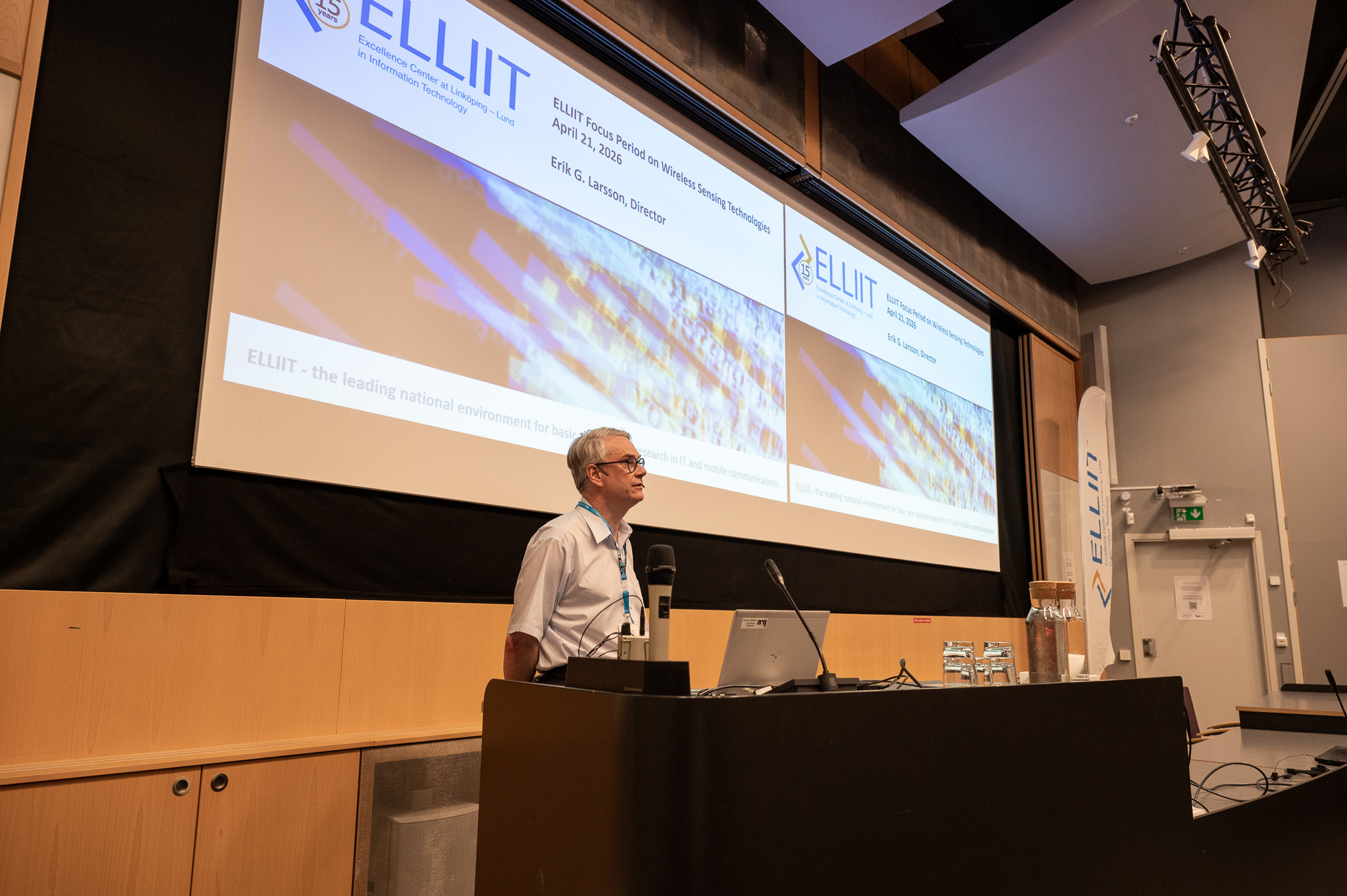

Detailed program and presentation slides
Monday April 20, 2026
17:00 - 19:00
Munkkällaren
Läroverksgatan 7, Linköping
Welcome reception at Munkkällaren
A welcome drink and some hors d’oeuvres will be served.
Day 1 – Tuesday April 21, 2026
09:45 - 10:30
Ada Lovelace
Campus Valla, B-House entrance 29
Bi-static and Multi-static Sensing in Wireless Communication Networks: Technologies and Applications
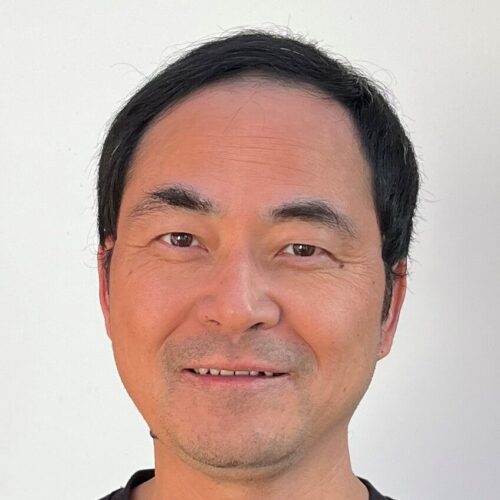
Andrew Zhang, University of Technology Sydney (Australia)
Biography
Dr J. Andrew Zhang (M’04-SM’11) is a Professor in the School of Electrical and Data Engineering, University of Technology Sydney, Australia. His research interests are in the area of signal processing for wireless communications and sensing. Prof. Zhang has published more than 300 papers in leading Journals and conference proceedings, and has won 7 best paper awards. He is a recipient of CSIRO Chairman’s Medal and the Australian Engineering Innovation Award for exceptional research achievements in multi-gigabit wireless communications.
Prof. Zhang is one of the pioneer researchers in ISAC. He initiated the concept of perceptive mobile network in 2017. Since then, his team has published more than 70 top-tier journal papers on ISAC, including several highly cited and review articles. In this field, he has led or participated in multiple research projects with a total value of over AUD 8 million, established a Joint Laboratory on Network Sensing with a mobile network operator, developed multiple real-time ISAC demonstration systems, and is currently advancing their commercialization. Prof. Zhang co-organized a number of ISAC workshops at leading conferences and special issues in leading IEEE journals. He has also delivered multiple ISAC tutorials and numerous keynotes and invited talks. For details, please refer to https://sites.google.com/view/andrewzhang/.
Abstract
Empowered by Integrated Sensing and Communications (ISAC), next-generation communication networks are envisioned to deliver ubiquitous sensing capabilities by leveraging existing communication infrastructure. Among various approaches, bi-static sensing stands out as a practical near-term solution: it circumvents the stringent full-duplex requirement of mono-static sensing while offering rich spatial diversity. However, a major challenge lies in clock asynchronism between spatially separated communication nodes, which can introduce sensing ambiguities and hinder coherent processing of discontinuous measurements, such as Doppler frequency estimation. Overcoming this barrier would enable sensing to be seamlessly embedded into communication networks with minimal infrastructure or hardware modifications.
This talk explores advanced techniques to tackle clock asynchronism, with a particular emphasis on efficient single-receiver solutions. I will first review the recent progress of these solutions, applicable to both single-antenna and multi-antenna systems. I will also introduce our latest research work on multi-static sensing in a multi-transmitter single-receiver setup, underlying the bi-static sensing technology. I will then present our latest applications built on these techniques, including moving object tracking, localization, and environmental monitoring (rainfall and water-level sensing). The talk concludes by discussing open challenges and outlining promising directions for future research in this rapidly evolving field.
10:30 - 11:00
Visionen
Campus Valla, B-House entrance 29
Coffee
Sandwich and coffee/tea will be served in Visionen.
If you will present a poster during the afternoon poster session, please use this coffee break to hang your poster.
11:00 - 11:45
Ada Lovelace
Campus Valla, B-House entrance 29
Integrated communication and sensing system in high mobility scenarios
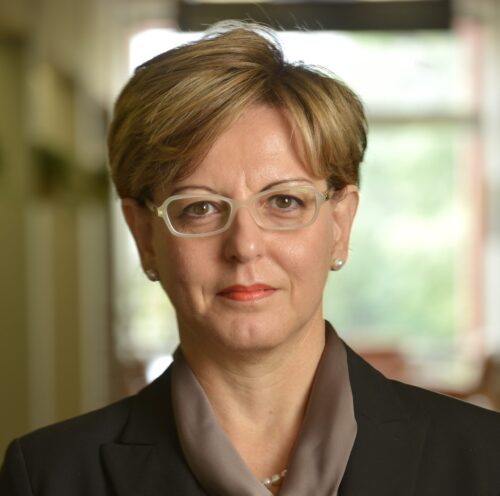
Athina Petropulu, Rutgers (United States)
Biography
Athina P. Petropulu is Distinguished Professor at the Electrical and Computer Engineering (ECE) Department at Rutgers, having served as chair of the department during 2010-2016. Prior to joining Rutgers, she was a Professor of ECE at Drexel University (1992-2010). She held Visiting Scholar appointments at SUPELEC, Universite’ Paris Sud, Princeton University and University of Southern California. Dr. Petropulu’s research interests span the area of statistical signal processing, wireless communications, signal processing in networking, physical layer security, and radar signal processing. Her research has been funded by various government industry sponsors including the National Science Foundation (NSF), the Office of Naval research, the US Army, the National Institute of Health, the Whitaker Foundation, Lockheed Martin, and Raytheon.
Dr. Petropulu is Fellow of IEEE and the American Association for the Advancement of Science (AAAS), and recipient of the 1995 Presidential Faculty Fellow Award given by the US National Science Foundation and the White House. She has played key roles in her professional society, namely, she was 2022-2023 President of the IEEE Signal Processing Society, Editor-in-Chief of the IEEE Transactions on Signal Processing (2009-2011) and IEEE Signal Processing Society Vice President-Conferences (2006-2008). She was Technical Program Co-Chair of the 2023 IEEE International Conference on Acoustics Speech and Signal Processing (ICASSP), General Co-Chair of the 2018 IEEE International Workshop on Signal Processing Advances in Wireless Communications (SPAWC), and General Chair of the 2005 ICASSP. She was Distinguished Lecturer for the Signal Processing Society and the IEEE Aerospace & Electronics Systems Society. For her service, Dr. Petropulu has received the 2012 IEEE Signal Processing Society Meritorious Service Award. She is also co-recipient of the 2005 IEEE Signal Processing Magazine Best Paper Award, the 2020 IEEE Signal Processing Society Young Author Best Paper Award (B. Li), the 2021 IEEE Signal Processing Society Young Author Best Paper Award (F. Liu), the 2021 Barry Carlton Best Paper Award by IEEE Aerospace and Electronic Systems Society, the 2022 IEEE Sensor Array and Multichannel Signal Processing Workshop Best Student paper Award (Y. Li), the 2023 IEEE Machine Learning in Signal Processing Workshop Best Student paper Award (S. Evmorfos), the 2023 Stephen O. Rice Prize Best Paper Award by the IEEE Communications Society and the 2024 IEEE Signal Processing Society Donald G. Fink Overview Paper Award.
Abstract
Integrated Sensing and Communication (ISAC) systems aim to deliver both communication and sensing functionalities using a unified hardware platform. In addition to improving spectral efficiency and reducing congestion caused by multiple transceivers and sensors, ISAC systems lower power consumption and hardware costs while enhancing the performance of both radar and communication operations. We focus on a subclass of ISAC systems, in which communication and sensing share not only the hardware but also the same waveform—enabling full spectrum reuse and tighter resource integration.
ISAC systems are expected to operate at high frequencies and in high-mobility environments such as vehicular, satellite, and UAV applications. In these scenarios, severe Doppler shifts arise, making conventional time-frequency channel representations highly time-varying. Orthogonal Time Frequency Space (OTFS) modulation offers significant advantages in such settings. OTFS maps signals to the Doppler-delay (DD) domain, where the channel becomes sparse and nearly time-invariant, even under high Doppler, enabling more reliable signal detection.
We present a novel ISAC system designed to operate efficiently in high-mobility conditions. The system employs a monostatic MIMO radar that transmits OTFS waveforms, achieving bandwidth efficiency by allowing DD bins to be shared across transmit antennas. Sharing all DD bins maximizes communication rates but limits sensing resolution to that of the receive array’s physical aperture. To address this tradeoff, we introduce a low-complexity method for coarse target parameter estimation, followed by the construction of a virtual array that enables sensing resolution beyond the physical array’s inherent limits.
11:45 - 12:30
Ada Lovelace
Campus Valla, B-House entrance 29
Joint Unsourced Random Access, Channel Estimation, and User Localization in Cell-Free User-Centric Networks
Giuseppe Caire, Technische Universität Berlin (Germany)
Biography
Giuseppe Caire is a professor at the Technische Universität Berlin. He is an IEEE Fellow since 2005, was the President of the IEEE Information Theory Society in 2011, received the Alexander von Humboldt Professorship in 2014, the Vodafone Innovation Prize in 2015, the IEEE Armstrong Achievement Award in 2020, the Leibniz Prize of the German National Science Foundation in 2021, the IEEE Communications Society Communication Theory Technical Achievement Award in 2023. He was elected in the German National Academy of science in 2024, obtained the joint IT/Comsoc best paper award in 2004 and 2011, and the best JSAC paper Leonard G. Abraham Prize in 2019. His main research areas span various aspects of wireless communications, with emphasis on information theory and channel coding and modulation, MIMO systems, and Integrated Communication and Sensing.
Abstract
Random access and sporadic communication in user-centric cell-free wireless network is particularly challenging because
the association between user equipments (UEs) and user-centric clusters of radio units (RUs) is not fixed a priori by a strict cellular geographic partition of the network coverage area. In particular, users are not permanently associated to their user-centric clusters, which become highly dynamic in the presence of random access and sporadic communication. In particular, it is essential that when an idle user accesses the network by sending an access codeword in the RACH slot, the network is able to a) detect its presence; b) estimate the CSI relative to a sufficient number of surrounding RUs; c) localize the user and allocate a user-centric cluster; d) respond with a very low-latency ACK, which may contain information for further connected traffic, such as
an uplink pilot and an allocated set of time-frequency resources. In this talk I shall review this problem and present some recent results on a general approach for unsourced random access & user localization, suitable for the above said task. The approach is relevant in the context of future 6G networks with base station cooperation, and it is conceptually compliant with the “2-step RACH” of 3GPP for very low latency random access.
12:30 - 14:00
Pegs&Tails
Linköpings Golfklubb, Universitetsvägen 8
Lunch
This day, the lunch will be served at Pegs&Tails, which is about 10 minutes walk from B-house.
14:00 - 14:45
Ada Lovelace
Campus Valla, B-House entrance 29
Radio Imaging and Multi-band Sensing as Enablers of 6G and Beyond
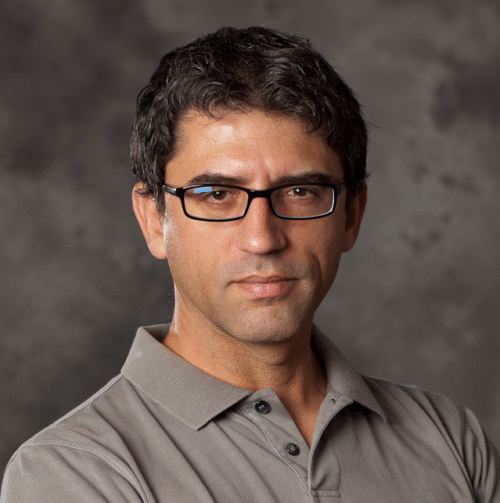
Dario Tagliaferri, Politecnico di Milano (Italy)
Biography
Dario Tagliaferri received the B.Sc. degree (2012), the M.Sc. degree (2015) in Telecommunication Engineering (with honors) and the PhD (2019) in Information Technology from Politecnico di Milano, Italy. He is currently Assistant Professor at Dipartimento di Elettronica, Informazione e Bioingegneria (DEIB), Politecnico di Milano, Italy, in the framework of Huawei-Polimi Joint Research Lab and the Italian National Resilience Plan (PNRR project “RESTART”). His research interests comprise signal processing techniques for wireless communication and sensing systems. Specific research topics include integrated sensing and communication systems, networked sensing, radio imaging and related synchronization aspects as well as intelligent reflecting surfaces. He holds four patents in the field of signal processing for communication and sensing. He was the co-recipient of the Best Paper Awards from the 1st IEEE International Online Symposium on Joint Communication and Sensing (2021), the EuMA Mediterranean Microwave Symposium (2022) and the ICC Workshop on Near-Field Communications, Localization and Sensing (2024). The paper “Deep Learning of Transferable MIMO Channel Modes for 6G V2X Communications,” published in IEEE Transactions on Antennas and Propagation has been selected as a Featured Paper for the 75th Anniversary of IEEE Antennas and Propagation Society. He served as a TPC member in VTC Spring (2022, 2023), IEEE SPAWC, IEEE PIMRC (2024) and IEEE PIMRC (2025) and TPC chair for the 6th IEEE International Online Symposium on Joint Communication and Sensing (2026). Starting from 2024, he serves as Associate Editor for IEEE Communications Letters. He is a Member of the IEEE.
Abstract
Integrated sensing and communication (ISAC) has emerged as one of the key technological pillars of next-generation wireless networks (6G), enabling the tight integration of sensing capabilities into communication infrastructures for a wide range of applications requiring high-precision localization. While ISAC standardization is still ongoing, research interest is progressively shifting toward new and largely unexplored directions. On the one hand, radio imaging using communication networks is gaining increasing attention for its potential to map the complex reflectivity of the environment and to infer the shape and structure of targets. On the other hand, the availability of disaggregated spectrum in the upper mid-band (6–22 GHz) opens the door to multi-band sensing, offering frequency diversity in the observation of targets and the environment. This talk aims to spark interest in imaging and multi-band sensing as key enablers of advanced services in 6G and beyond systems. We first revisit the fundamental concepts of radio imaging, with a focus on multistatic coherent approaches, discussing their benefits and the challenges associated with integration into communication networks. The second part explores the opportunities offered by multi-band sensing in the upper mid-band, presenting results from dedicated experimental campaigns conducted in real-world environments.

14:45 - 15:30
Ada Lovelace
Campus Valla, B-House entrance 29
MIMO Multicarrier ISAC: model-based reinforcement learning for waveform optimization and resource allocation
Visa Koivunen, Aalto University (Finland)
Biography
Visa Koivunen (IEEE Fellow, EURASIP Fellow) received his D.Sc. (EE) degree with honors from the Univ of Oulu, Dept. of Electrical Engineering. He received the primus doctor award among the doctoral graduates in years 1989-1994. He is a member of Eta Kappa Nu. He was a visiting researcher at the Univ of Pennsylvania, Philadelphia, USA, 1991-1995. Since 1999 he has been a full Professor of Signal Processing at Aalto University (formerly HUT), Finland. He received the Academy professor position in 2010 and Aalto Distinguished professor in 2020. 2002-2013 he was one of the PIs in SMARAD CoE in Research nominated by the Academy of Finland. Years 2003-2006 he was also adjunct full professor at the Univ. of Pennsylvania, USA. During his sabbatical terms in 2006-2007 and 2013-2014 he was visiting faculty at Princeton University. He has also been a Visiting Fellow at Nokia Research (2006-2012). Since 2010 he has been part time visiting fellow and has spent mini-sabbaticals at Princeton University each year. On his sabbatical term in 2022-23, he was a visiting professor at EPFL, Lausanne, Switzerland.
Dr. Koivunen’s research interest include statistical signal processing, wireless comms, radar, multisensor systems, data science and machine learning. He has published more than 480 papers in international scientific conferences and journals and holds 5 patents. See publication profile at: https://scholar.google.com/citations?hl=en&user=Yu9GLm0AAAAJ&view_op=list_works&sortby=pubdate
He has advised 32 Ph.D works. He has co-authored multiple papers receiving the best paper award in IEEE and other conferences. He was awarded the IEEE SP Society best paper award for the year 2007 (with J. Eriksson) and 2017 (w Zoubir, Muma and Chakhchouk) . He has served in editorial board for The Proceedings of the IEEE, IEEE SP Letters, IEEE TR on SP, and IEEE SP Magazine. He was awarded the 2015 EURASIP (European Association for Signal Processing) Technical Achievement Award for fundamental contributions to statistical signal processing and its applications in wireless communications, radar and related fields. He has served in the IEEE Fourier Award, Kilby Medal and Fellow Evaluation committees, SPS Award Board and as IEEE SP Society Distinguished Lecturer in 2015-2016, NATO radar panels, Board of Governors for Asilomar conferences, and has given more than 50 invited talks in world leading research universities and institutes. He is a member of the Academy Europaea.

15:30 - 17:00
Visionen
Campus Valla, B-House entrance 29
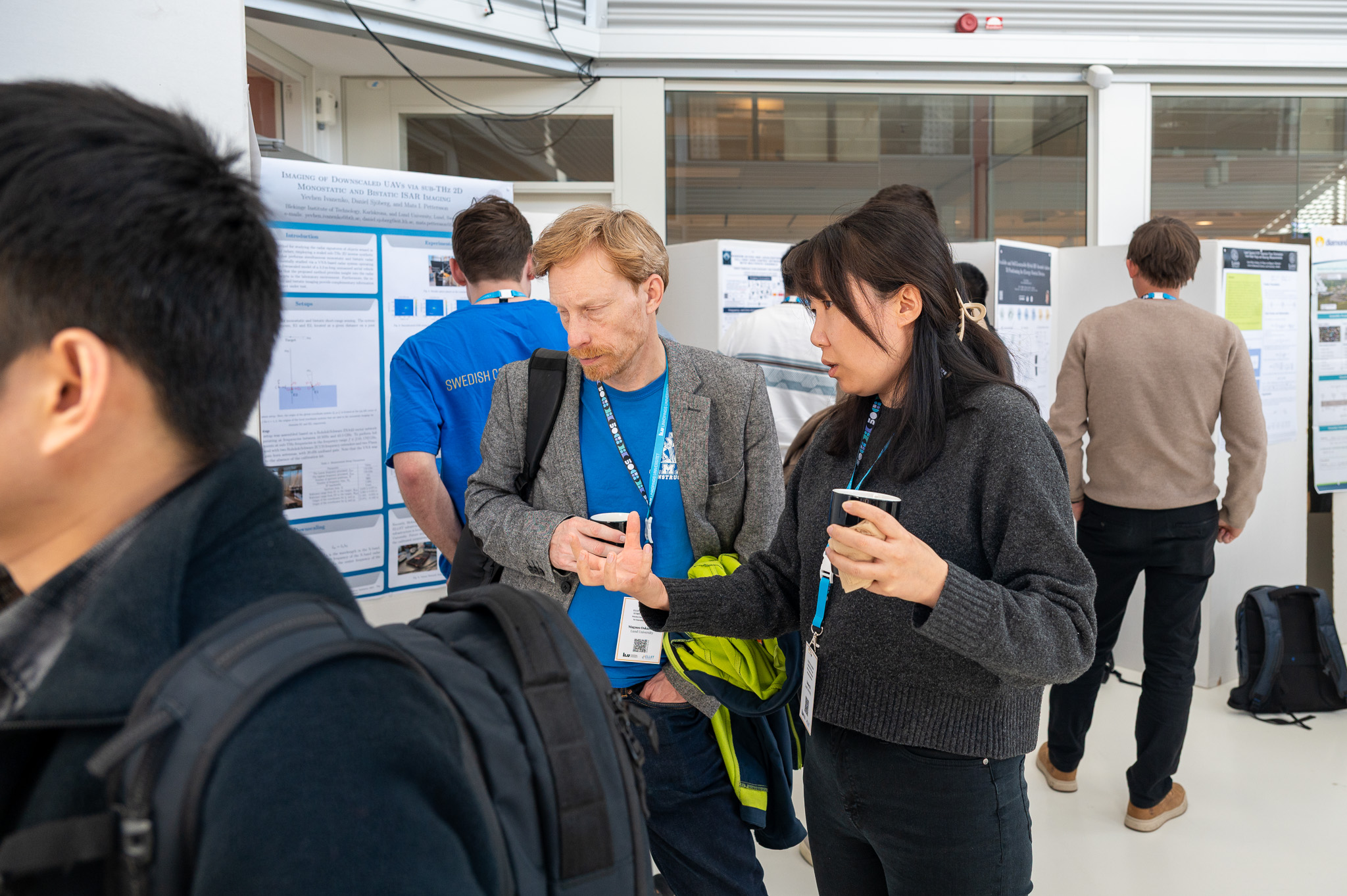
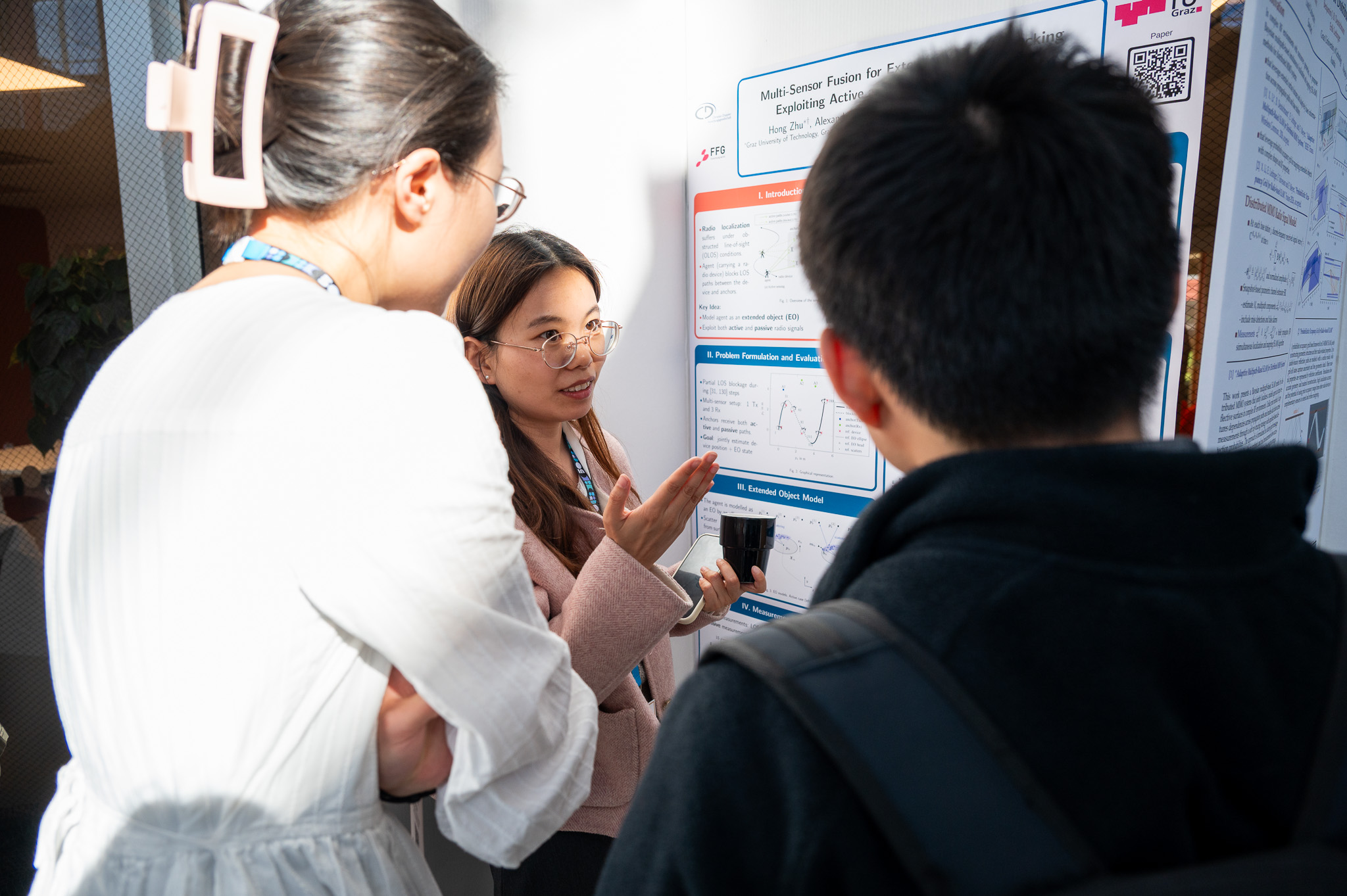
Coffee and poster session
Coffee/tea and something sweet will be served in Visionen in conjunction with a poster session on the theme of Wireless Sensing Technologies for Emerging Applications.
Day 2 – Wednesday April 22, 2026
09:00 - 09:45
Ada Lovelace
Campus Valla, B-House entrance 29
Signalling, Network-level Design and Security for ISAC
Christos Masouros, University College London (United Kingdom)
Abstract
The future global cellular infrastructure will underpin a variety of applications, such as smart city solutions, urban security, infrastructure monitoring, and smart mobility, among others, relying on resilient communication and high precision sensing. Key network KPIs for 6G include Gb/s data rates, cm-level localization, μs-level latency, and Tb/Joule energy efficiency. The ultimate goal for a cellular deployment would be to deliver coordinated sensing of an unprecedented scale.
In this talk, I first discuss signal design for ISAC to enable dual communication-sensing functionality, highlighting opportunities in flexible trade-offs and synergies between sensing and communication. Moving on from link-level ISAC systems, I explore network level deployments and in particular cell coordination approaches tailored for the dual-functionality of ISAC, alongside distributed approaches. I then discuss unprecedented security vulnerabilities that ISAC brings about, that need to be urgently addressed before its large scale deployment. I present some results from my team’s work in the area, that underline the benefits of the co-design in offering a graceful trade-off between the communications, sensing and security, and some prototyping results. I conclude with some thoughts on research opportunities and the road ahead.
Biography
Christos Masouros (FIEEE, FIET) received the Diploma degree in Electrical and Computer Engineering from the University of Patras, Greece, in 2004, and MSc by research and PhD in Electrical and Electronic Engineering from the University of Manchester, UK in 2006 and 2009 respectively. In 2008 he was a research intern at Philips Research Labs, UK, working on the LTE standards. Between 2009-2010 he was a Research Associate in the University of Manchester and between 2010-2012 a Research Fellow in Queen’s University Belfast. In 2012 he joined University College London as a Lecturer. He has held a Royal Academy of Engineering Research Fellowship between 2011-2016.
Since 2019 he is a Full Professor of Signal Processing and Wireless Communications in the Information and Communication Engineering research group, Dept. Electrical and Electronic Engineering, and affiliated with the Institute for Communications and Connected Systems, University College London. His research interests lie in the field of wireless communications and signal processing with particular focus on Green Communications, Large Scale Antenna Systems, Integrated Sensing and Communications, interference mitigation techniques for MIMO and multicarrier communications. Between 2018-22 he was the Project Coordinator of the €4.2m EU H2020 ITN project PAINLESS, involving 12 EU partner universities and industries, towards energy-autonomous networks. Between 2024-28 he will be the Scientific Coordinator of the €2.7m EU H2020 DN project ISLANDS, involving 19 EU partner universities and industries, towards next generation vehicular networks. He is a Fellow of the IEEE, Fellow of the Insitute of Electronic Engineers (IET), the Artificial Intelligence Industry Alliance (AIIA) and the Asia-Pacific Artificial Intelligence Association (AAIA). He was the recipient of the 2024 IEEE SPS Best Paper Award, the 2024 IEEE SPS Donald G. Fink Overview Paper Award, the 2023 IEEE ComSoc Stephen O. Rice Prize, co-recipient of the 2021 IEEE SPS Young Author Best Paper Award and the recipient of the Best Paper Awards in the IEEE GlobeCom 2015 and IEEE WCNC 2019 conferences. He is an IEEE ComSoc Distinguished lecturer 2024-2025, and his work on ISAC has been featured in the World Economic Forum’s report on the top 10 emerging technologies. He has been recognised as an Exemplary Editor for the IEEE Communications Letters, and as an Exemplary Reviewer for the IEEE Transactions on Communications. He is an Area Editor for IEEE Transactions on Wireless Communications, and Editor-at-Large for IEEE Open Journal of the Communications Society. He has been an Editor for IEEE Transactions on Communications, IEEE Transactions on Wireless Communications, the IEEE Open Journal of Signal Processing, Associate Editor for IEEE Communications Letters, and a Guest Editor for a number of IEEE Journal on Selected Topics in Signal Processing issues. He is a founding member and Vice-Chair of the IEEE Emerging Technology Initiative on Integrated Sensing and Communications (SAC), Chair of the IEEE SPS ISAC Technical Working Group, and Chair of the IEEE Green Communications & Computing Technical Committee, Special Interest Group on Green ISAC. He is a member of the IEEE Standards Association Working Group on ISAC performance metrics, and a founding member of the ETSI ISG on ISAC. He is the TPC chair for the IEEE ICC 2024 Selected Areas in Communications (SAC) Track on ISAC, Chair of the IEEE PIMRC2024 Track 1 on PHY and Fundamentals, Chair of the “Integrated Imaging and Communications” stream in IEEE CISA 2024, and TPC Co-Chair of IEEE VTC 2025.
09:45 - 10:30
Ada Lovelace
Campus Valla, B-House entrance 29
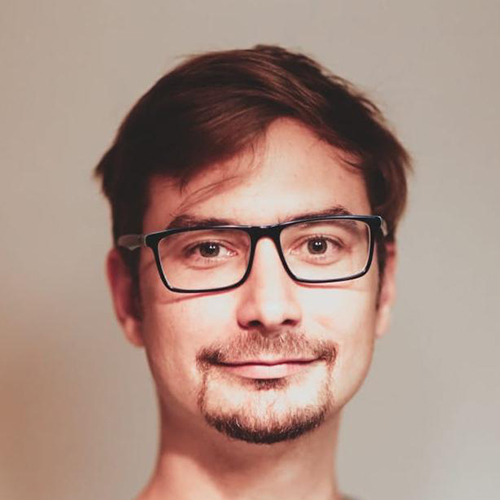
Bayesian Inference for Localization, Sensing and Mapping with Learned Models: A Graphical-Model Perspective
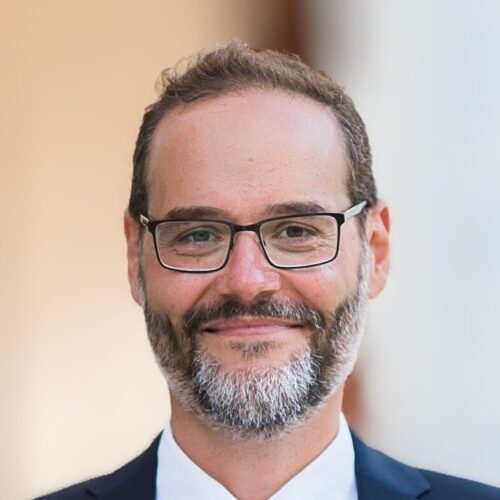
Erik Leitinger, Graz University of Technology (Austria)
Abstract
This talk presents a graphical model of AI-enhanced wireless localization and mapping. We will discuss combining model-based structure and data-driven learning to achieve robust, adaptive inference in realistic communication and sensing environments. Localization and tracking are essential for new wireless applications, including autonomous navigation, ocean sciences, asset tracking, and future 6G communication networks. Wireless systems must operate under challenging propagation conditions, including multipath components, blockage of line-of-sight paths, and hardware impairments, while fusing heterogeneous measurements from radio signals acquired by antenna arrays and possibly additional sensors. These scenarios involve uncertainties beyond Gaussian noise, including missed detections, clutter, unknown measurement origins, and a time-varying number of objects. These uncertainties pose challenges to classical feature-based estimators. Alternatively, novel direct localization and mapping methods that infer position and channel parameters from raw radio signals require likelihood functions that explicitly incorporate radio signal parameters and their non-linear relations to geometry, thereby tightly coupling detection and estimation.
Graphical models provide a powerful methodological framework to address these challenges by explicitly representing the statistical structure of inference problems. This includes parameters describing the surrounding geometry, objects, multipath propagation properties and visibilities, the radio signal model, the mobile device state, and other temporal dynamics of non-stationary quantities. Graph-based inference offers advantages in performance, scalability, and modularity, enabling efficient solutions to high-dimensional problems while maintaining interpretability and flexible algorithm design.
Recent advances at the intersection of signal processing and deep learning have improved this paradigm further by incorporating neural networks as learnable elements within probabilistic graphs. Instead of replacing physics-based models, these hybrid approaches learn analytically intractable components, such as environment-dependent multipath statistics, model mismatches, hardware-impairments, and propagation maps. These approaches maintain principled Bayesian estimation and the structure necessary for direct localization from raw radio signals.
Biography
Erik Leitinger received his MSc and PhD degrees (with highest honors) in electrical engineering from Graz University of Technology, Austria in 2012 and 2016, respectively. He was postdoctoral researcher at the department of Electrical and Information Technology at Lund University from 2016 to 2018. He is currently an Assistant Professor at Graz University of Technology. His research interests include inference on graphs, statistical signal processing, high-dimensional and nonlinear estimation, localization and navigation, machine learning, stochastic modeling and estimation of radio channels, and estimation/detection theory.
Dr. Leitinger is an Associate Editor with the IEEE Transactions on Wireless Communications and the ISIF Journal of Advances in Information Fusion. He served as co-chair of a special session “Positioning Energy Constraint Devices” at the Asilomar Conference on Signals, Systems, and Computers 2020 and of the special session “Synergistic Radar Signal Processing and Tracking” at the IEEE Radar Conference in 2021. He is an Erwin Schrödinger Fellow.
10:30 - 11:00
Visionen
Campus Valla, B-House entrance 29
Coffee
Sandwich and coffee/tea will be served in Visionen.
11:00 - 11:45
Ada Lovelace
Campus Valla, B-House entrance 29
Distributed Phased Arrays: Coordination of Wireless Systems at the Wavelength Level and Their Application to Communications and Sensing
Jeffrey Nanzer, Michigan State University (United States)
Abstract
Research on cooperative technologies for distributed wireless systems has focused on increasingly precise coordination between networked nodes. Coordination at the level of the radio frequency wavelength enables coherent operation, such as beamforming from distributed antenna arrays, which has the potential to lead to significant advances in communications and sensing for future systems. Wavelength-level distributed array coordination requires accurate estimation and control of the electrical states of individual elements in the network, including wireless time synchronization, frequency alignment, and phase coherence. Combined with the design of spatial dynamics of elements in the array, this coordination opens new possibilities for wireless communication, microwave and millimeter-wave imaging and sensing, and other wireless applications.
In this talk, I will discuss the challenges involved in distributed phase-coherent coordination of wireless systems and recent research on technologies that address these challenges. Experimental implementations of distributed beamforming systems based on these technologies will be shown, along with research on new applications in sensing and communications based on the use of distributed and dynamic antenna array systems. I will also highlight the use of sparse, distributed apertures for microwave and millimeter-wave imaging, including experimental systems demonstrating Fourier-domain sensing and imaging.
Biography
Jeffrey Nanzer received the Ph.D. in electrical engineering from The University of Texas at Austin in 2008. In 2016, he joined the Department of Electrical and Computer Engineering at Michigan State University where he held the Dennis P. Nyquist Assistant Professorship from 2016-2021. He directs MSU’s Electromagnetics Laboratory, which consists of the Antenna Lab, the Radar Lab, and the Wireless Lab. He has published more than 250 papers, one book, and two book chapters, and has six patents. Dr. Nanzer was the recipient of the Withrow Junior Distinguished Scholar Award in 2024, the Google Research Scholar Award in 2022 and in 2023, the IEEE MTT-S Outstanding Young Engineer Award in 2019, the DARPA Director’s Fellowship in 2019, the National Science Foundation (NSF) CAREER Award in 2018, and the DARPA Young Faculty Award in 2017. He was a Distinguished Microwave Lecturer of the IEEE Microwave Theory and Technology Society (Tatsuo Itoh Class of 2022–2024). His research interests are in the areas of distributed wireless systems, antennas, arrays, radar, millimeter-wave imaging, and microwave photonics.

11:45 - 12:30
Ada Lovelace
Campus Valla, B-House entrance 29
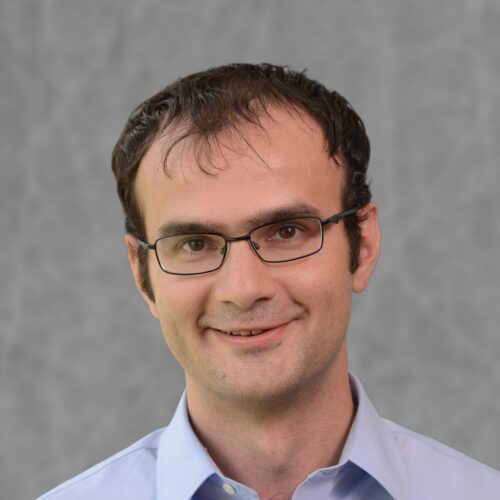
Fusion of Cellular ISAC and Passive RF Sensing for UAV Detection and Tracking
Ismail Guvenc, North Carolina State University (United States)
Abstract
The rapid growth of unmanned aerial vehicles (UAVs) in civilian and critical-infrastructure airspace has created a need for reliable detection and tracking systems that operate under diverse environmental and sensing conditions. In this talk, we will present a UAV detection and tracking system that fuses measurements from a network of passive Keysight N6841A RF sensors and a Ku-band Fortem TrueView R20 radar operating in the FR3 spectrum (16.3 GHz) as an ISAC proxy. Real-world experiments at the NSF AERPAW testbed demonstrate that radar and RF sensing provide complementary strengths under varying geometric, range, and line-of-sight conditions. A Kalman filter further integrates the asynchronous 2D RF and 3D radar observations, suppressing large standalone errors, improving accuracy over individual modalities, and increasing tracking coverage without degrading performance.
Biography
Ismail Guvenc is a Professor at the Department of Electrical and Computer Engineering at NC State University. His recent research interests include 5G/6G wireless networks, UAV communications, millimeter/terahertz communications, and heterogeneous networks. He has published more than 300 conference/journal papers and book chapters, several standardization contributions, four books, and over 30 U.S. patents. Dr. Guvenc is the PI and the director for the NSF AERPAW project and a site director for the NSF BWAC I/UCRC center. He is an IEEE Fellow, a senior member of the National Academy of Inventors, and a recipient of several awards, including NC State University Alcoa Distinguished Engineering Research Award (2023), Faculty Scholar Award (2021), R. Ray Bennett Faculty Fellow Award (2019), FIU COE Faculty Research Award (2016), NSF CAREER Award (2015), Ralph E. Powe Junior Faculty Award (2014), and USF Outstanding Dissertation Award (2006).
12:30 - 14:00
Visionen
Campus Valla, B-House entrance 29
Lunch and group photo
Warm lunch will be served in Visionen.
14:00 - 14:45
Ada Lovelace
Campus Valla, B-House entrance 29
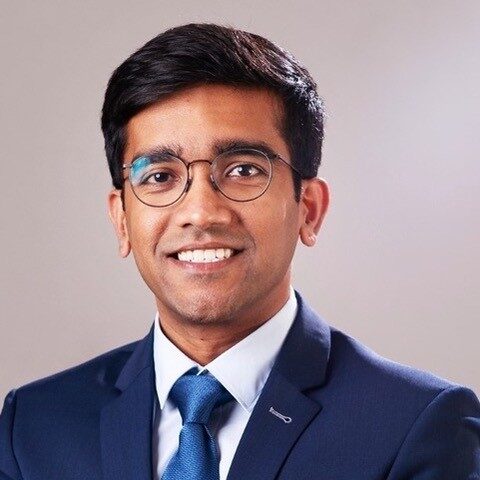
Relative localization of inaccessible multi-agent swarms
Raj Thilak Rajan, Delft university of technology (The Netherlands)
Abstract
Multi-agent swarms or mobile networked cyber-physical systems are increasingly adopted in various applications, to enable robust and efficient operations in diverse, challenging and extreme environments. These applications include for example drones, autonomous vehicles, satellites, and space rovers. Edge-based autonomy, cooperative intelligence and local communication are some of the key-features of these swarms- all of which require accurate positioning, navigation and timing. In extreme and inaccessible environments, the absence of fixed infrastructure (e.g., GPS-based or anchor-based localisation), requires mobile swarms to rely on relative localisation solutions. In this talk, we’ll review some of the state of the art methods in relative localisation for inaccessible swarms, some recent developments in relative timing, localisation and tracking, and raise some open questions which remain unresolved for enabling truly anchoress
Biography
Dr. Raj Thilak Rajan (S’11-M’17-SM’22) is an assistant professor with the Signal Processing Systems (SPS) group, at the faculty of electrical engineering, mathematics and computer science (EEMCS) in the Delft university of technology (TUD) and the Master Coordinator for the Signals and Systems track (MS-EE-S&S). He (co-) directs the Delft Sensor AI Lab, TUD Swarming Lab, Lunar Zebro and the TUD Moonshot program. He received his Ph.D. in 2016 from TUD, and previously obtained his M.Sc. (class first, youngest in class) and B.Sc. (with distinction) in Electronic sciences from University of Pune, India. He has supervised more than 30 graduate students, and his current research team includes 9 PhD candidates and 1 postdoctoral researcher. His team focuses on developing novel statistical machine learning algorithms, with applications to distributed autonomous sensing systems e.g., swarms.
Raj is an IEEE Senior member, Vice-chair of the IEEE SPS ASI (Autonomous Systems Initiative) and a member of technical committees of the IAF (International Astronautical Federation). He is an Associate Editor for the IEEE Open Journal of Signal Processing (IEEE-OJSP), and is a reviewer for related journals and conferences.
Over the past 2 decades he has held research positions with diverse responsibilities at IMEC (Eindhoven, 2015-2018), University of Twente (Enschede, 2014-2015) and ASTRON (Dwingeloo, 2008-2014). He was a SSPF fellow (The Netherlands, 2019), INFN fellow (Italy, 2008), MIUR fellow (Italy, 2007), TIFR-VSRP fellow (India, 2005), and is an alumnus of the SSP2019 program from the international space university (ISU). He obtained his University Teaching Qualification (UTQ/BKO) diploma in 2021.
14:45 - 15:30
Ada Lovelace
Campus Valla, B-House entrance 29
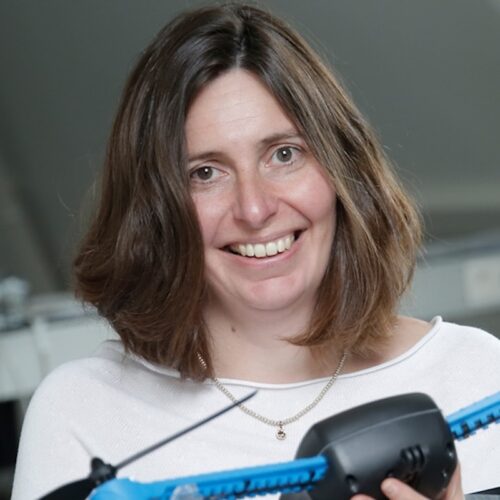
Massive Data-driven Integrated Communication and Sensing
Sofie Pollin, KU Leuven (Belgium)
Abstract
Integrated Sensing and Communication (ISAC) is a cornerstone of 6G networks, promising to enhance both spectrum efficiency and situational awareness. This talk explores a massive, data-driven approach to ISAC, leveraging dense antenna arrays, cell-free architectures, and machine learning to unlock fine-grained location awareness and environment mapping. We present a spectrum of integration levels—from implicit sensing through beamforming, to explicit localization using model- and data-driven techniques such as AoA learning and ML-MUSIC. Using a massive MIMO testbed, we demonstrate coherent near-field radar sensing capabilities, highlighting the role of array resolution and bandwidth in achieving high accuracy. Experimental results show sub-meter bistatic range and sub-m/s Doppler resolution. Furthermore, we explore frictionless reproducibility in AI for ISAC, emphasizing the need for robust datasets, automated labeling, and synchronized, calibrated deployments.
Biography
Sofie Pollin is full professor at KU Leuven focusing on wireless communication systems. Before that, she worked at imec and UC Berkeley, and she is currently still a principal member of technical staff at imec. Her research centers around wireless networks that require networks that are ever more dense, heterogeneous, battery powered, and spectrum constrained. Her research interests are cell-free networks, integrated communication and sensing, and non-terrestrial networks. She is a BAEF and Marie Curie fellow, and IEEE Senior Member. She is member of the Executive Editorial Committee for IEEE TWC and AE for IEEE TMC.
15:30 - 16:00
Visionen
Campus Valla, B-House entrance 29
Coffee
Coffee/tea and something sweet will be served in Visionen.
17:45 - 20:30
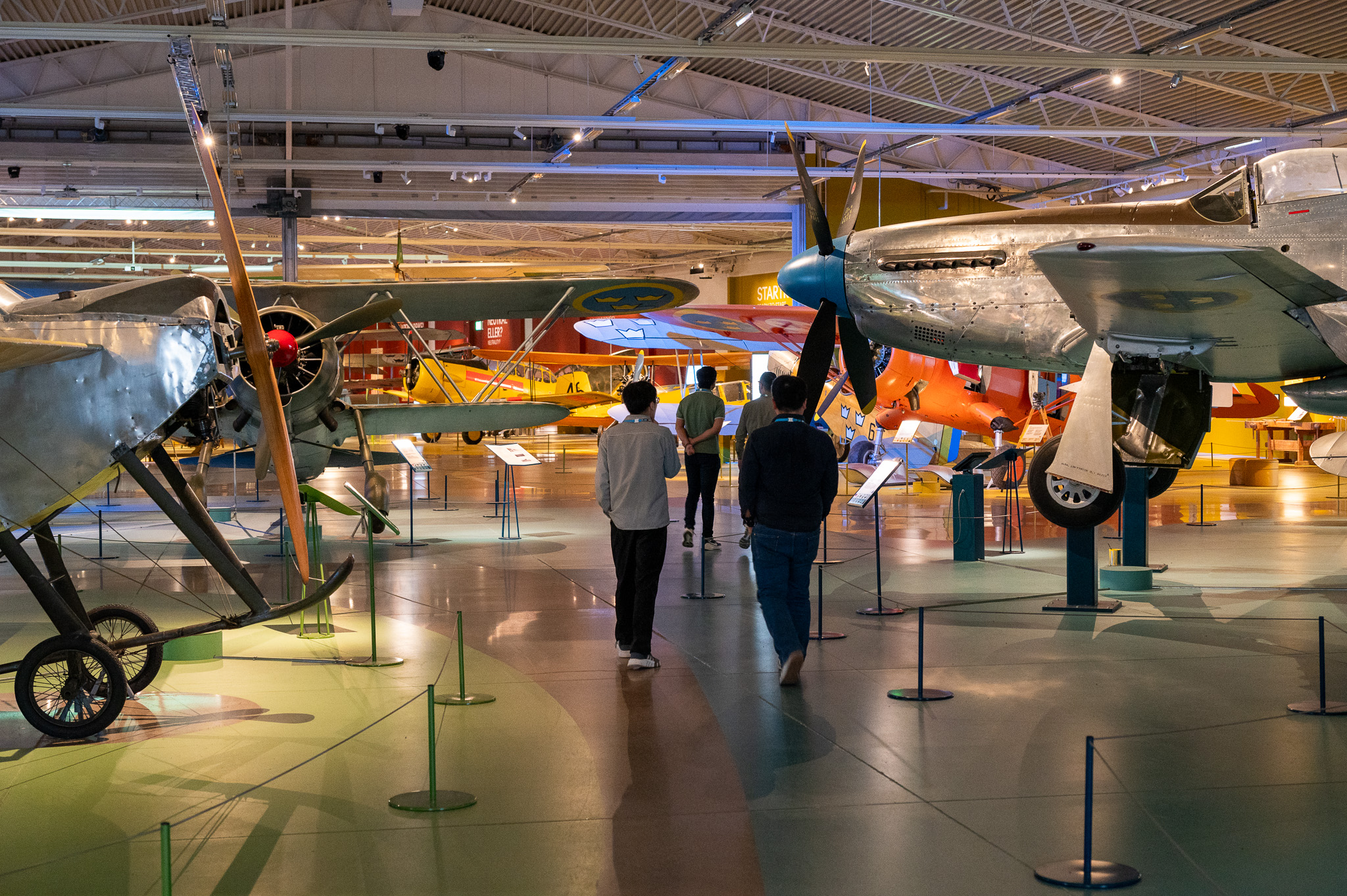
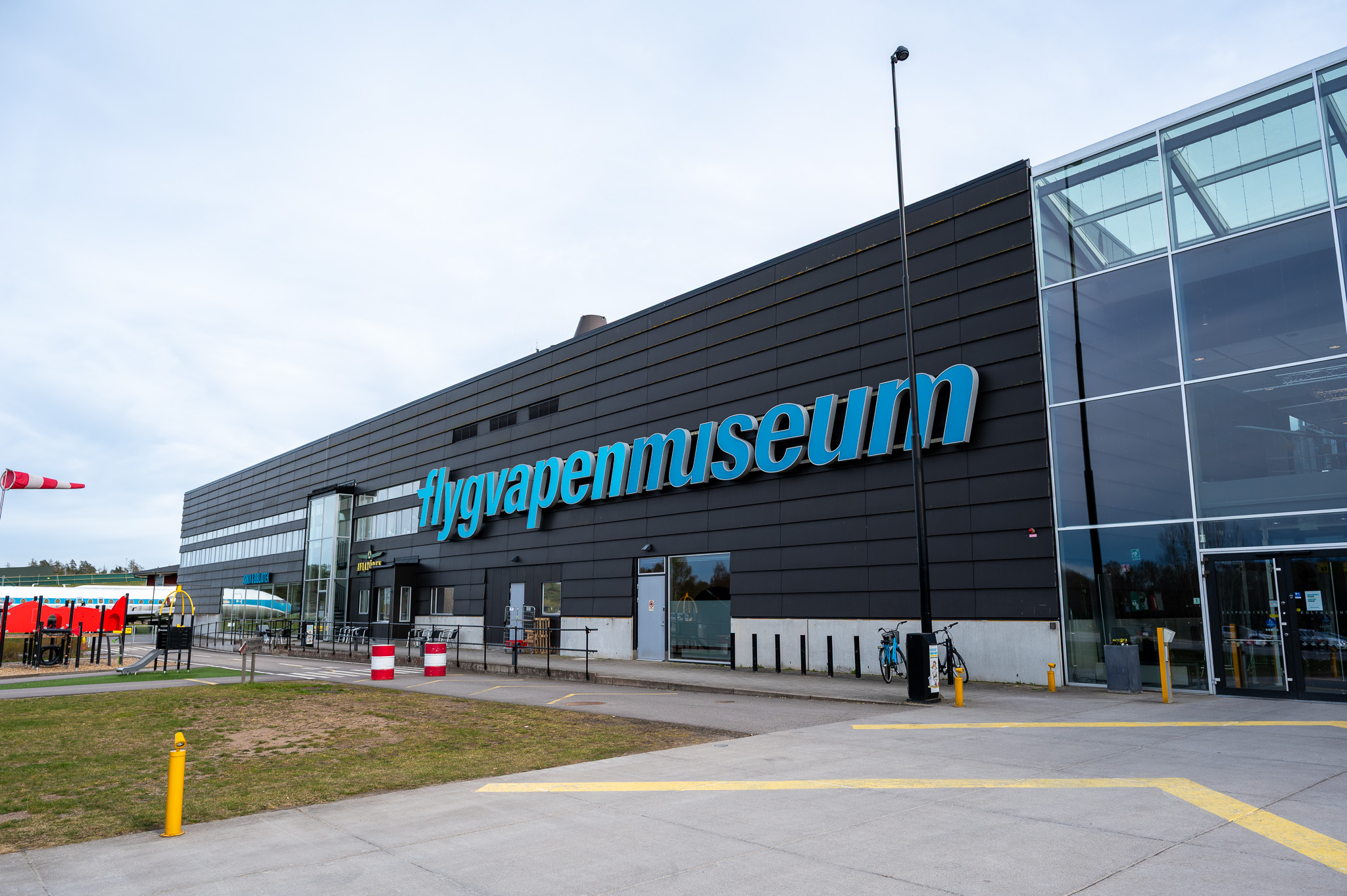
Flygvapenmuseum
Carl Cederströms gata 2, 586 63 Linköping
Symposium dinner
Welcome drinks and possibility to visit the exhibitions from 17:45
Dinner will be served at 18:15
From central Linköping you can take bus #6 (direction ‘Malmslätt’) and from campus (bus stop ‘Universitet’), you can take bus #12 (direction ‘Resecentrum’) and switch to bus #6 at bus stop ‘Gamla Linköping’. The bus stop is called ‘Flygvapenmuseum’, and the journey takes about 20 minutes.
On your way back, bus #6 departs at 19:59; 20:19 and 20:39 (for details, please visit www.ostgotatrafiken.se).
Day 3 – Thursday April 23, 2026
09:00 - 09:45
Ada Lovelace
Campus Valla, B-House entrance 29
From 5G-Advanced to 6G: ISAC Channel Modeling, Evaluation Scenarios, and Proof-of-Concept Results from an Industry Perspective
Christopher Mollén, Ericsson Research (Sweden)
Abstract
Integrated sensing and communication (ISAC) is widely recognized as a cornerstone capability for 6G, promising to unify radar-like sensing with mobile communication within a single system and spectrum. Yet, bridging the gap between academic research and real-world deployment demands rigorous evaluation frameworks, realistic channel models, and tangible proof-of-concept demonstrations.
This talk provides an industry perspective on the journey from 5G-Advanced (5GA) toward 6G ISAC. We begin by reviewing recent 5GA evaluation scenarios and standardization-relevant simulation results. We then turn to channel modeling for ISAC, highlighting the unique challenges that arise when the weak channel components (of echoes scattered off small objects in the environment) among much stronger channel components in a communication link become important. The model needs to, at the same time, model channel characteristics important for high-throughput data links and for accurate target detection and localization — including the impact of hardware impairments encountered in practical deployments.
Building on these foundations, we present some of Ericsson’s proof-of-concept activities. Finally, we discuss use cases and business perspectives — from industrial automation and vehicular safety to smart-city monitoring — outlining where ISAC can deliver clear value and what technical and commercial hurdles remain on the path to 6G standardization.
Attendees will leave with a concrete understanding of the current state of ISAC evaluation, and the open research questions most relevant to industry.
Biography
Christopher Mollén is a Senior Researcher at Ericsson Research. His current research focuses on integrated sensing and communication (ISAC) for future wireless systems, and is actively contributing to this topic in 6G standardisation. He received his PhD in electrical engineering from Linköping University, Sweden, in 2018. His doctoral thesis, on the modeling and handling of hardware impairments in massive MIMO, was awarded the EURASIP Best PhD Award in 2023. During his doctoral studies, he spent time as a visiting Fulbright Scholar at the Wireless Networking and Communications Group (WNCG) at The University of Texas at Austin in 2016. He is an inventor on multiple granted and pending US patents in the telecommunications domain.

09:45 - 10:30
Ada Lovelace
Campus Valla, B-House entrance 29
Beyond Bandwidth: Phase-Coherent Distributed ISAC for 6G Positioning, Sensing, and Imaging
Henk Wymeersch, Chalmers University of Technology (Sweden)
Abstract
High-resolution positioning and sensing in wireless systems has traditionally been driven by bandwidth. Yet many realistic 6G deployments will rely on spectrum far below bandwidth-rich mmWave and sub-THz, so that bandwidth is constrained and classical delay-resolution arguments fall short. This talk argues for a complementary path: phase-coherent processing over distributed infrastructure. Building on concepts from cell-free massive MIMO and distributed radar, we will cover the principles of coherent multi-node fusion and what it buys in localization accuracy, detection sensitivity, and imaging resolution in ISAC. We will compare coherent versus non-coherent fusion, clarify the operating regimes where each is appropriate, and provide intuition on the trade-offs among bandwidth, aperture, geometry, and coherence time. Finally, we will address the main obstacles to realization, including network calibration and synchronization, channel/scene modeling, and deployment optimization, and propose a roadmap for practical, robust phase-coherent ISAC in 6G.
Biography
Henk Wymeersch obtained the Ph.D. degree in Electrical Engineering/Applied Sciences in 2005 from Ghent University, Belgium. He is currently a Professor of Communication Systems with the Department of Electrical Engineering at Chalmers University of Technology, Sweden. Prior to joining Chalmers, he was a postdoctoral researcher from 2005 until 2009 with the Laboratory for Information and Decision Systems at the Massachusetts Institute of Technology. Prof. Wymeersch served as Associate Editor for IEEE Communication Letters, IEEE Transactions on Wireless Communications, and IEEE Transactions on Communications is currently Senior Member of the IEEE Signal Processing Magazine Editorial Board. During 2019-2021, he was an IEEE Distinguished Lecturer with the Vehicular Technology Society. His current research interests include the convergence of communication and sensing, in a 5G and Beyond 5G context. He is a Fellow of the IEEE.

10:30 - 11:00
Visionen
Campus Valla, B-House entrance 29
Coffee
Sandwich and coffee/tea will be served in Visionen.
11:00 - 11:45
Ada Lovelace
Campus Valla, B-House entrance 29
A sensory environment: what should wireless connectivity (not) offer?
Liesbet Van der Perre, KU Leuven (Belgium) and Lund University (Sweden)
Abstract
Insights from the insides: embedded sensors open great opportunities for applications from agriculture to mobility and health. Wireless connectivity is a magic ingredient to learn from the monitoring by sensors. The wireless connectivity wished for by embedded sensors may be quite peculiar. This talk will propose some solutions, dilemmas, and open a dialogue on the trade-offs to be made.
Biography
Liesbet Van der Perre is Professor at the department of Electrical Engineering at the KU Leuven in Belgium and a guest Professor at the university of Lund, Sweden. Dr. Van der Perre was with the nano-electronics research institute imec in Belgium from 1997 till 2015.
Prof. L. Van der Perre’s main research interests are in wireless communication and embedded connected systems, with a focus on sustainable solutions. She has (co-)authored over 400 scientific papers and 4 books. She was the scientific coordinator of the European H2020 REINDEER project and currently takes up this role for the Horizon Europe SNS-6GTandem project. She is further involved in several projects progressing indoor positioning, IoT, and 6G for sustainable applications.
11:45 - 12:30
Ada Lovelace
Campus Valla, B-House entrance 29
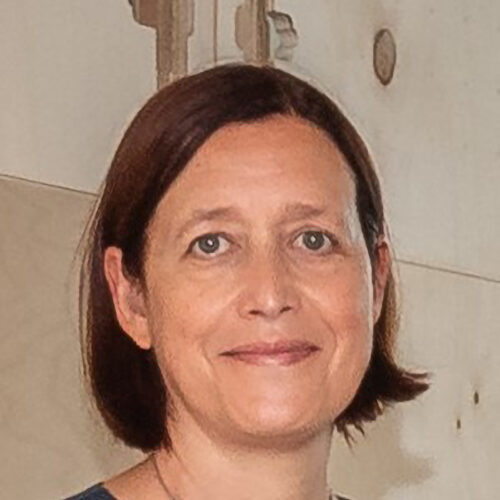
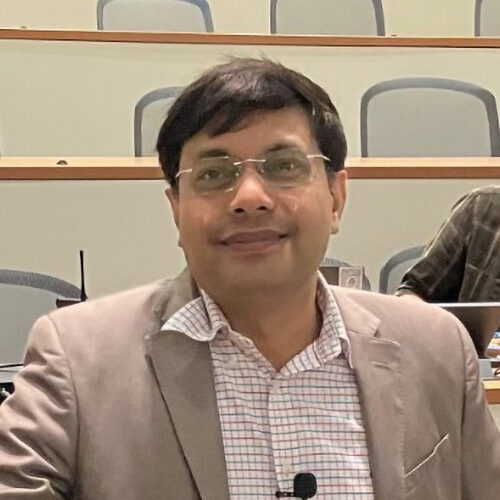
Twisting Signals for Joint Radar-Communications
Kumar Vijay Mishra, US Army DEVCOM Army Research Laboratory (United States)
Abstract
Orbital angular momentum (OAM) technology has attracted much research interest in recent years because of its characteristic helical phase front twisting around the propagation axis and natural orthogonality among different OAM states to encode more degrees of freedom than classical planar beams. Based on these properties, OAM technique has been applied to wireless communication systems to enhance spectral efficiency and radar systems to distinguish spatial targets without beam scanning. To simultaneously harness the dual benefits of OAM in both communication and radar sensing, we propose an OAM-based millimeter-wave joint radar-communications (JRC) system comprising a bi-static automotive radar and vehicle-to-vehicle (V2V) communications. Different from existing uniform circular array (UCA) based OAM systems where each element is an isotropic antenna, an OAM spatial modulation scheme utilizing a uniform linear array (ULA) is adopted with each element being a traveling-wave antenna, producing multiple Laguerre-Gaussian (LG) vortex beams simultaneously. Specifically, we first build a novel bi-static automotive OAM-JRC model that embeds communication messages in a radar signal, following which a target position and velocity parameters estimation algorithm is designed with only radar frames. Then, an OAM-based mode-division multiplexing (MDM) strategy between radar and JRC frames is presented to ensure the JRC parameters identifiability and recovery. We end the talk with a future outlook on JRC systems. [Joint work with Wanghan Lv]
Biography
Kumar Vijay Mishra (S’08-M’15-SM’18) obtained a Ph.D. in electrical engineering and M.S. in mathematics from The University of Iowa in 2015, and M.S. in electrical engineering from Colorado State University in 2012, while working on NASA’s Global Precipitation Mission Ground Validation (GPM-GV) weather radars. He received his B. Tech. summa cum laude (Gold Medal, Honors) in electronics and communication engineering from the National Institute of Technology, Hamirpur (NITH), India in 2003. He is a Senior Fellow at the United States DEVCOM Army Research Laboratory; Research Scientist at the Institute for Systems Research, The University of Maryland, College Park under the ARL-ArtIAMAS program; 2026 BEL Endowed visiting Chair Professor in Radar Systems at the Indian Institute of Science, Bangalore; Technical Adviser to Singapore-based automotive radar start-up Hertzwell; and honorary Research Fellow at SnT – Interdisciplinary Centre for Security, Reliability and Trust, University of Luxembourg. Previously, he had research appointments at the Electronics and Radar Development Establishment (LRDE), Defence Research and Development Organisation (DRDO) Bengaluru; IIHR – Hydroscience & Engineering, Iowa City, IA; Mitsubishi Electric Research Labs, Cambridge, MA; Qualcomm, San Jose; and Technion – Israel Institute of Technology.
Dr. Mishra has served as the Distinguished Lecturer (DL) of various societies: IEEE Communications Society (2023-2024), IEEE Aerospace and Electronic Systems Society (AESS) (2023-2024, 2025-2026), IEEE Vehicular Technology Society (2023-2025, 2025-2027), and IEEE Geoscience and Remote Sensing Society (2024-2025). He has been a Virtual DL of IEEE Future Networks Initiative (2022) and Traveling Lecturer of Optica (2025-). He is the recipient of the IEEE AESS Harry Rowe Mimno Award (2026), SAE International Award for Excellence in Innovation (2025), IEEE Signal Processing Society Pierre-Simon Laplace Early Career Technical Achievement Award (2024), Special Mention for the IEEE AESS M. Barry Carlton Award (2023), IET Premium Best Paper Prize (2021), IEEE T-AES Outstanding Editor (2021, 2023, 2024), U. S. National Academies Harry Diamond Distinguished Fellowship (2018-2021), American Geophysical Union Editors’ Citation for Excellence (2019), Royal Meteorological Society Quarterly Journal Editor’s Prize (2017), Viterbi Postdoctoral Fellowship (2015, 2016), Lady Davis Postdoctoral Fellowship (2017), DRDO LRDE Scientist of the Year Award (2006), NITH Director’s Gold Medal (2003), and NITH Best Student Award (2003). He has received Best Paper Awards at IEEE MLSP 2019 and IEEE ACES Symposium 2019.
Dr. Mishra is Chair (2023-2026) of the International Union of Radio Science (URSI) Commission C, Chair (2025-) of IEEE AESS Technical Working Group on Integrated Sensing and Communications (ISAC-TWG), and Vice-Chair (2021-present) of the IEEE Synthetic Aperture Standards Committee, which is the first SPS standards committee. He has been Chair (2023-2025) of the IEEE SPS Synthetic Apertures Technical Working Group. He has been an elected member of three technical committees of IEEE SPS: SPCOM, SAM, and ASPS, and IEEE AESS Radar Systems Panel. He is Editor-in-Chief (EiC) of River Rapids Series in Radar Systems, Signal Processing, Antennas and Electromagnetics (2025-), Editor (Deputy EiC) of Radio Science (2025-), Senior Area Editor of IEEE Transactions on Signal Processing (2024-), and Associate Editor of IEEE Transactions on Aerospace and Electronic Systems (2020-) and IEEE Transactions on Antennas and Propagation (2023-). He has been a lead/guest editor of several special issues in journals such as IEEE Signal Processing Magazine, IEEE Journal of Selected Topics in Signal Processing, IEEE Journal on Selected Areas in Communications, and IEEE Journal of Selected Topics in Applied Earth Observations and Remote Sensing. He is the lead co-editor of several books on signal processing and radar: Signal Processing for Joint Radar-Communications (Wiley-IEEE Press, 2024), Next-Generation Cognitive Radar Systems (IET Press Electromagnetics and Radar Series, 2023), Advances in Weather Radar Volumes 1, 2 & 3 (IET Press Electromagnetics and Radar Series, 2023), and Handbook of Statistics 54: Multidimensional Signal Processing (Elsevier). His research interests include radar systems, signal processing, remote sensing, and electromagnetics.
12:30 - 14:00
Visionen
Campus Valla, B-House entrance 29
Lunch
A warm lunch will be served in Visionen.
14:00 - 14:45
Ada Lovelace
Campus Valla, B-House entrance 29
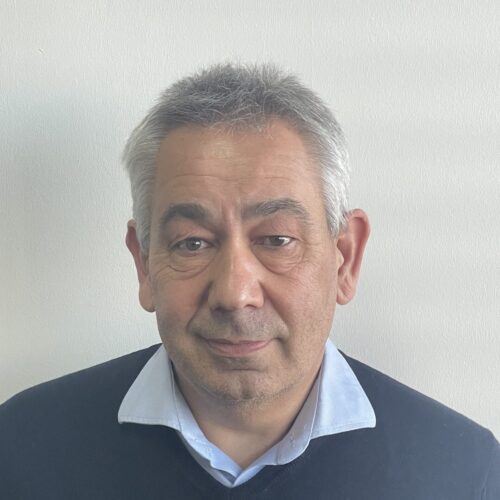
A Massive MIMO Detection Strategy towards Cognitive Radar
Fulvio Gini, University of Pisa (Italy)
Abstract
This talk concerns the extension of the Massive Multi Input Multi Output (MMIMO) paradigm of wireless communications to radar sensing applications. The breakthrough brought by the MMIMO systems in wireless communications was in showing that, as the number of antenna elements grows to infinity, linear combining and precoding algorithms can mitigate the interference even in the presence of a partial knowledge of the communication channel. Inspired by this fundamental result, in this talk, we answer a fundamental question: What are the potential benefits that the MMIMO paradigm can bring from the sensing perspective? We show that the massive (asymptotic) paradigm can bring essential benefits also in radar systems. In particular, we considered a co-located MIMO radar having a massive number of virtual spatial antenna channels. We focus on the target detection problem by showing that the massive regime allows for the derivation of a robust Wald-type test that guarantees certain performance regardless of the unknown statistical characterization of the disturbance. The results described in this talk represent the first building block of a Reinforcement Learning-based dual-functional cognitive MMIMO system for multi-target detection and communication.
Biography
Fulvio Gini (Fellow IEEE and EURASIP) received his Doctor of Engineering (cum laude) and Research Doctorate in electronic engineering from the University of Pisa, Italy, in 1990 and 1995, respectively. In 1993, he joined the Department of Information Engineering at the University of Pisa, where he has been a Full Professor since 2006. Prof. Gini has served as the Deputy Head of the Department since November 2016. He is an Associate Editor for the IEEE Transactions on Aerospace and Electronic Systems (AES) (2007-present) and the Elsevier Signal Processing journal (2006-present). Additionally, he serves as the Specialty Chief Editor for the “Radar Signal Processing” section of the journal Frontiers in Signal Processing (2021-present).
Prof. Gini has received multiple awards, including the IEEE AES Society’s Barry Carlton Award for Best Paper in 2001, 2012 and 2021, the 2020 EURASIP JASP Best Paper Award, the 2022 IEEE AESS Warren White Award for Excellence in Radar Engineering, the 2020 EURASIP Meritorious Service Award, the 2003 IEE Achievement Award, and the 2003 IEEE AES Society Nathanson Award. He is the Treasurer of the IEEE AES Society (January 2025–present). He has been the IEEE AES Society Awards Chair (January 2019–December 2023) and has been a member of the IEEE AES Society Board of Governors (BoG) (2017-2022, 2025-2027) and the IEEE SP Society BoG (2021-2023). He also served as the EURASIP President (2013-2016). ). He was the General co-Chair of the 2020 IEEE Radar Conference, Florence (Italy). He was the Technical co-Chair of the 2006 EURASIP Signal and Image Processing Conference (EUSIPCO 2006), Florence (Italy), of the 2008 Radar Conference, Rome (Italy), and of the 2015 IEEE CAMSAP workshop, Cancun (Mexico). He was the General co-Chair of the 2nd Workshop on Cognitive Information Processing (CIP2010), of the 2014 IEEE International Conference on Acoustics, Speech and Signal Processing (ICASSP 2014), and of the 2nd, 3rd and 4th editions of the workshop on Compressive Sensing in Radar (CoSeRa). He authored or co-authored 13 book chapters, 185 journal papers, 190 conference papers, and 2 national patents. H-index: 56, 12097 citations (Google Scholar).
Activities in professional societies. (List positions with dates of service)
• Member of the SPS Fellows Evaluation Committee for 2024.
• Vice-Chair of the AESS Fellows Evaluation Committee for 2021-2023.
• Member of the Board of Governors (BoG) of IEEE SPS (01/012021– 31/12/2023).
• Member of the Awards Board of the IEEE SP Society (2016–2018).
• Member of the Conference Board of SPS (2019–2020).
• Member of the Long Range Planning and Implementation Committee of IEEE SPS (2021-present).
• IEEE SPS Representative in the 2020 IEEE TAB Awards and Recognition Committee (TABARC) (2020-20222).
• Member of the IEEE SPS Conference Board Ad Hoc Committee on Flagship Conferences Future Strategy (2020).
• IEEE SPS Representative in the Steering Committee of the journal IEEE Transactions on Radar Systems (2021-present).
• IEEE SPS representative for the Division IX Initiative: Quality of Life (2014).
• Member of the Board of Governors (BoG) of IEEE AESS (2017-2022).
• Awards Chair of IEEE AESS (2019–present).
• Member of the Conference Board of IEEE AESS (2017-2021, 2025-present).
• Member of the Publication Board of IEEE AESS (2017-2021).
• President of the EURASIP Society (2013-2016).
• Award Chairman of the EURASIP Society (2004-2012).
• Member of the Board of Directors (BoD) of the EURASIP Society (2004-2018).
• Associate Editor for the IEEE Trans. on Signal Processing (2000-2006).
• Senior Associate Editor for the IEEE Trans. on Signal Processing (2016-2017)
14:45 - 15:30
Ada Lovelace
Campus Valla, B-House entrance 29
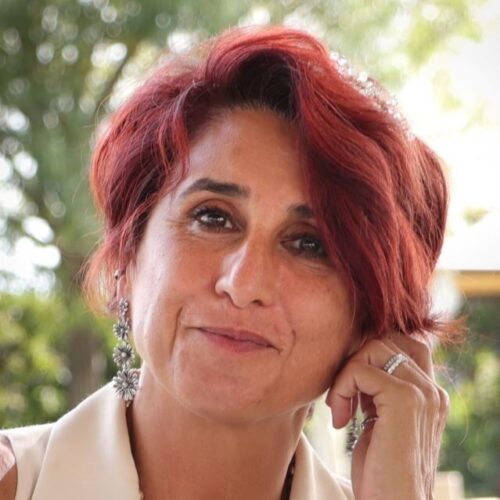
Cognitive Radar techniques for ISAC
Maria Sabrina Greco, University of Pisa (Italy)
Abstract
Over the past fifteen years, “cognition” has become a transformative technology, enabling radar systems to incorporate learning and adaptivity at both transmission and reception stages to enhance performance in dynamic environments. At the core of cognitive radar systems is the “perception-action cycle”—a feedback mechanism between the receiver and transmitter that allows the radar to gather information about a target and its surroundings, then adjust transmissions to optimize one or more specific objectives. This adaptability allows the radar system to fine-tune its operations in real time to achieve desired goals.
Meanwhile, the Integrated Sensing and Communication (ISAC) paradigm is an emerging framework that combines radar-based sensing and wireless communication into a unified system. Traditionally managed by separate systems, ISAC integrates these functions, enabling novel applications, improving resource efficiency, and reducing hardware costs and power consumption.
This talk will offer an overview of cognitive radar systems, discuss methods for modeling cognitive processes within these systems, and illustrate the role that radar cognition can play in ISAC applications. Concluding remarks will highlight future research directions and potential advancements in this field.
Biography
Maria Sabrina Greco (Fellow IEEE) is with the Dept. of Information Engineering of the University of Pisa, where she is Full Professor since 2017. She’s IEEE fellow since Jan. 2011. She was co-recipient of the 2001, 2012 and 2021 IEEE Aerospace and Electronic Systems Society’s Barry Carlton Awards for Best Paper published on the T-AES, co-recipient of 2019 EURASIP JASP Best Paper Award, co-recipient of the 2019 H Mimno Award for the best paper published on the AE Systems Magazine, recipient of the 2008 Fred Nathanson Young Engineer of the Year award for contributions to signal processing, estimation, and detection theory and of IEEE AESS Board of Governors Exceptional Service Award for “Exemplary Service and Dedication and Professionalism, as EiC of the IEEE AES Magazine”.
She has been general-chair, technical program chair and organizing committee member of many international conferences over the last 15 years. She has been also lead-guest editor of many special issues on Radar Signal Processing. She’s Editor in Chief of the EURASIP Journal of Advances in Signal Processing. She has been member of the IEEE SPS BoG (2015-17), Chair of the IEEE AESS Radar Panel (2015-16), SPS Distinguished Lecturer for the years 2014-2015, AESS Distinguished Lecturer, AESS VP Publications (2018-2020), EiC of the IEEE Aerospace and Electronic Systems Magazine and IEEE SPS Director-at-Large for Region 8 (2021-22). She’s now President of AESS (2024-25).
Her general interests are in the areas of statistical signal processing, estimation and detection theory. In particular, her research interests include clutter models, coherent and incoherent detection in non-Gaussian clutter, CFAR techniques, radar waveform diversity, bistatic/mustistatic active and passive radars, cognitive radars and integration of sensing and communications. She co-authored many book chapters and more than 320 journal and conference papers.
15:30 - 15:45
Closing
15:45 - 16:15
Visionen
Campus Valla, B-House entrance 29
Coffee
Coffee/tea and something sweet will be served in Visionen.