
Focus Period Lund University 2027
From Mm-waves to Sub-THz – Unleashing Bandwidth Opportunities with Hardware
April 26 – May 28, 2027
One defining trend in the evolution of wireless systems has been the migration toward higher frequency bands. Early radar systems operated in the VHF and UHF ranges, while vehicular radar evolved from 24 GHz systems in the 1990s to today’s 77 GHz global standard. Mobile communications have followed a similar path, progressing from sub-1 GHz bands in early generations to the millimetre-wave (mm-wave) spectrum used in modern 5G systems. The motivation is straightforward: higher frequencies provide access to larger bandwidths, enabling higher radar resolution and greater communication data rates. Looking ahead, sub-THz frequencies (100–300 GHz) are expected to support not only extreme data rates and sensing performance, but also integratedcommunication, sensing, and positioning capabilities for entirely new applications.
However, exploiting mm-wave and sub-THz frequencies presents major challenges. High propagation losses limit coverage and require highly directional, high-gain antenna systems, creatingdemanding requirements for beamforming, beam acquisition, and tracking. Progress also depends on accurate propagation channel models, which remain insufficiently understood, particularlyat sub-THz frequencies. Additional obstacles include signal blockage, sparse multipath propagation, oscillator phase noise, low transmitter efficiency, high receiver noise figures, beam squint in large arrays, limited analog-to-digital conversion bandwidths, heat dissipation, and the transport and processing of extremely high-rate digital signals.
Addressing these challenges requires interdisciplinary approaches that bridge wireless propagation, antennas, circuits, electromagnetics, and signal processing—fields that have traditionallyevolved separately. The goal of this Sub-THz Focus Period is therefore to bring together researchers across these disciplines to identify the most critical challenges and opportunities for futuremm-wave and sub-THz systems, with particular emphasis on integrated communications, sensing, and positioning applications. By fostering collaboration across communities, the program aims to stimulate new scientific directions and define key research priorities for next-generation wireless technologies.
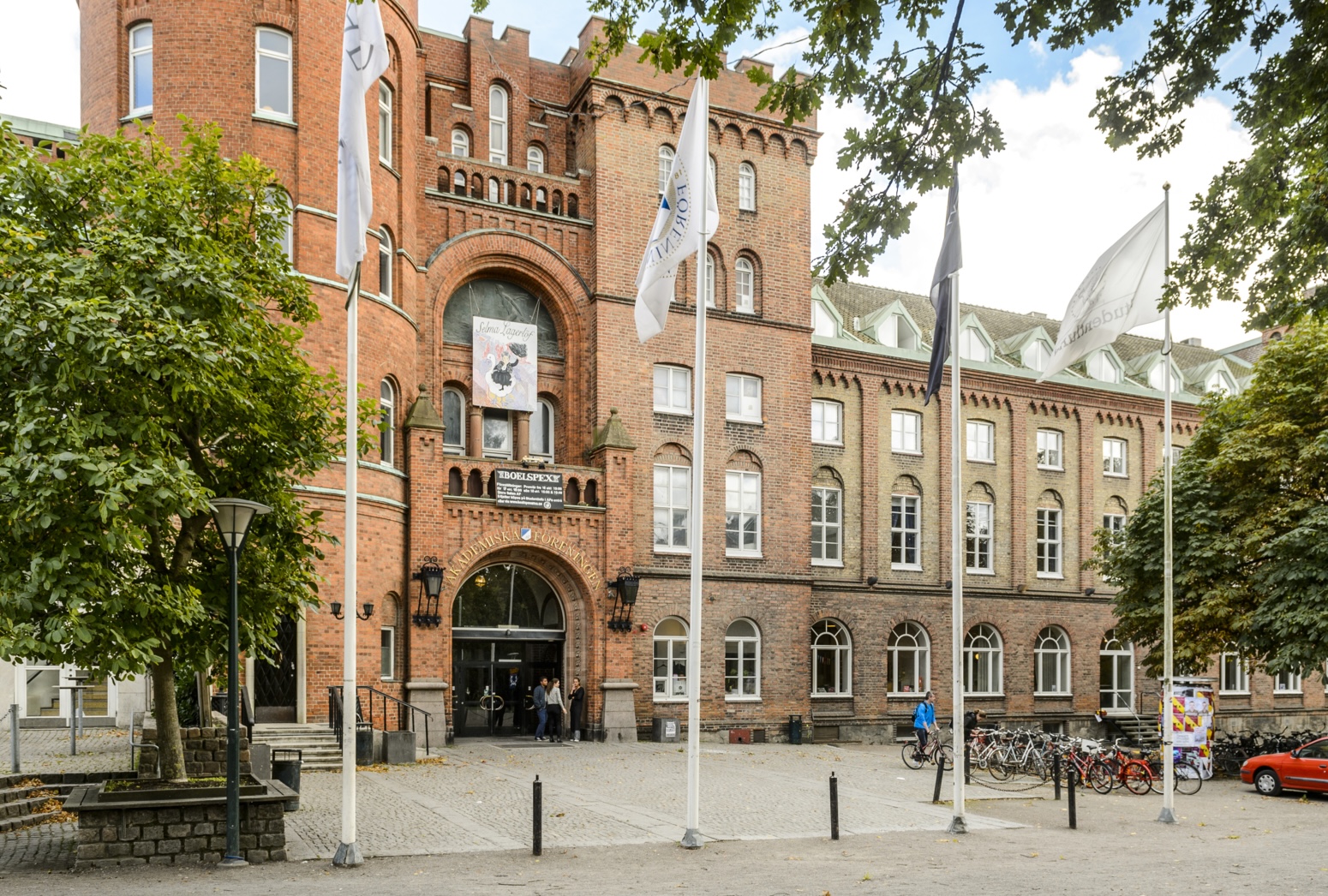
The Focus Period will be held at Lund University, between April 26-May 28, 2027. A number of international scholars interested in these research challenges will be invited to participate, and to interact with leading scientists as well as ELLIIT researchers. In the third week of the focus period May 11-13, 2027, a three-day symposium will be held at the historical student’s building AF Borgen in central Lund. Several invited top-level researchers will be presenting their latest work.
Focus Period
Lund University 2027
Scientific committee
The scientific committee consists of internationally renowned researchers, active within the topic of the focus period. The committee members, in collaboration with the organizers, suggest speakers for the symposium, and visiting scholars for the focus periods. The majority of the members of the scientific committee also contribute to the event as speakers during the symposium.
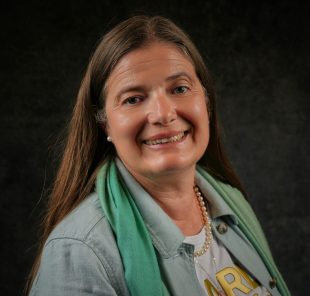
Andreia Cathelin
STMicroelectronics
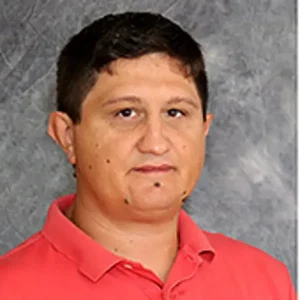
Vincent Desmaris
Chalmers, Onsala Space Observatory
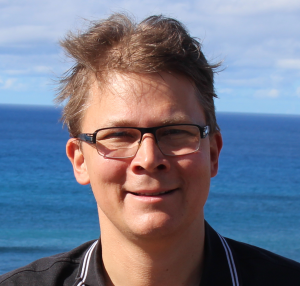
Mikael Hörberg
Ericsson
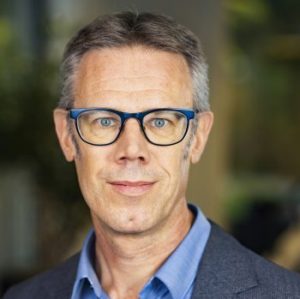
Fredrik Tufvesson
Lund University
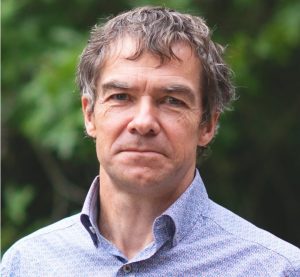
Piet Wambacq
Interuniversity Microelectronics Centre - imec & Vrije Universiteit

Withawat Withayachumnankul
University of Adelaide
Organizing committee
The organizing committee consists of researchers and administrators from the ELLIIT institutions. Their role is to appoint the scientific committee, select speakers and visiting scholars, plan the focus period activities, and serve as hosts during the event.
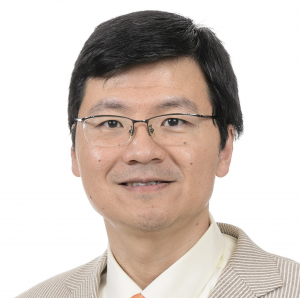
Buon Kiong Lau
Professor, Lund University
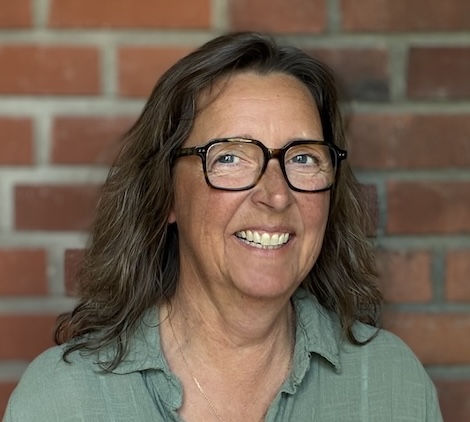
Margit Billesö
Administrator, Lund University
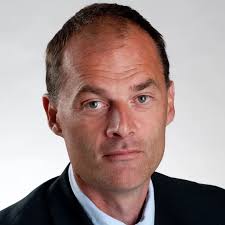
Mats Pettersson
Professor, Blekinge Institute of Technology
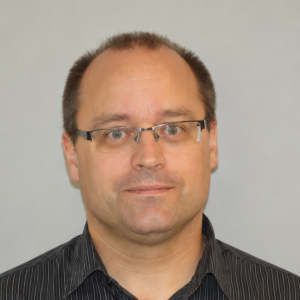
Daniel Sjöberg
Professor, Lund University

Henrik Sjöland
Professor, Lund University
Contact
Buon Kiong Lau
Lund University
buon_kiong.lau@eit.lth.se
Margit Billesö
Lund University
margit.billeso@eit.lth.se