Tuesday, September 8
S1080, S Building
15:00–16:00
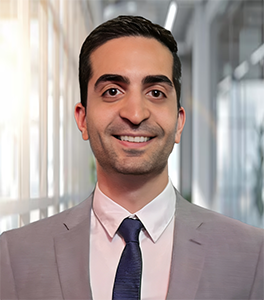
Group counterfactual explanations: State-of-the-art and future research
Enrique Valero, PhD student, Technical University of Madrid (Spain)
Biography
Enrique Valero Leal is a final-year ELLIS PhD student at both the Technical University of Madrid and Ludwig-Maximilians University of Munich. His research focuses on interpretable machine learning, probabilistic models, and causality, with technical experience in Industry 4.0 applications.
Abstract
Existing methods for group counterfactual explanations often fail to generalize, rely on strict assumptions, or distort group geometry. I explore how to overcome this by learning an optimal transport map that efficiently generates geometry-preserving counterfactuals for any instance without re-optimization, outperforming current baselines across both linear and non-linear models. I also provide insight on future lines of research and applications of (group) counterfactual explanations with respect to the broader state-of-the-art, such as LLMs or industrial applications.
16:00–17:00
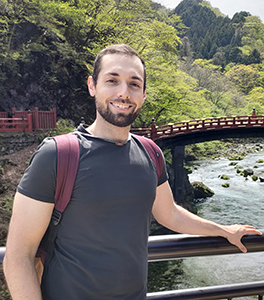
Machine Learning in Microwave Sensing: Data Analysis and Applications
Abdullah Oğuz Kızılçay, Assistant professor, Zonguldak Bülent Ecevit University (Turkey)
Biography
Abdullah Oğuz Kızılçay is an Assistant Professor at Zonguldak Bülent Ecevit University. His research focuses on electromagnetics and microwave antenna design, with emphasis on optimization techniques and machine learning/deep learning for modeling and analysis of electromagnetic systems.
Abstract
Machine learning is becoming an important tool for microwave data analysis and interpretation. This talk explores its role in microwave sensing by reviewing common sensing approaches and discussing how machine learning can support data analysis, feature engineering, and decision-making processes. Representative applications and example case studies are used to illustrate different data-driven solution strategies. The seminar concludes with a discussion of current challenges and future directions in machine learning-based microwave sensing.
Wednesday, September 9
S1080, S Building
15:00–16:00
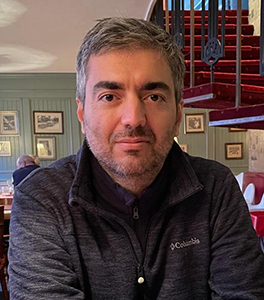
Normalizing Flows for Conditional Generation of Synthetic Transcriptomic Samples
Antonio Guillén Teruel, PhD student, University of Murcia (Spain)
Biography
Antonio Guillén Teruel is a Computer Science PhD candidate with a degree in Mathematics, specializing in Machine Learning. He develops methods to mitigate class imbalance and Concept Drift, applying them to medical data (Parkinson’s, COVID-19) in collaboration with UCL and Jagiellonian University.
Abstract
This talk focuses on a novel three-stage pipeline to generate synthetic transcriptomic (RNA-seq) data conditioned on clinical covariates like sex, age, and tissue type to address sample scarcity and dataset imbalance. We introduce an approach that combines a Transformer Autoencoder for dimensionality reduction with Normalizing Flows to map complex gene expression distributions into a standardized Gaussian space. An Ordinary Least Squares (OLS) model is then used to condition the generation of new profiles. Through validations on the GTEx dataset, we demonstrate that these methods achieve high biological fidelity, preserve gene co-expression networks, and maintain distinct signals of the targeted covariates.
16:00–17:00
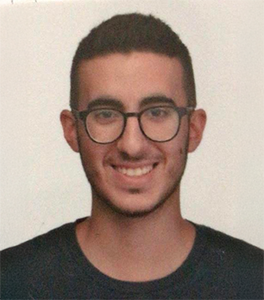
Intelligent Closed-Loop Neurostimulation with Spatiotemporal Complexity for Neurological Disorders
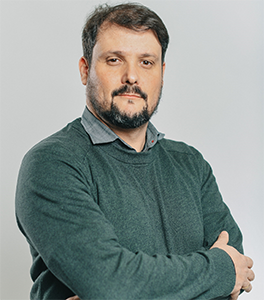
Vinícius R. Cota, Assistant professor, Maynooth University (Ireland)
Biography
Vinícius R. Cota is an Assistant Professor in the Dept. of Electronic Engineering at Maynooth University (Ireland) working in neuroengineering. His research focuses on closed-loop neuroprostheses for neurological disorders, including novel temporal complex electrical stimulation for epilepsy.
Abstract
Electrical stimulation is an established therapy for neurological disorders, but most current protocols remain open-loop and temporally simplistic, with limited sensitivity to the dynamical structure of brain activity. In this talk, I will present our work on neuromodulation strategies that explicitly incorporate spatiotemporal brain dynamics, including non-periodic electrical stimulation for epilepsy and pathological anxiety, as well as sleep-coordinated stimulation for post-stroke rehabilitation. I will then discuss how AI/ML can help bridge these approaches to the next generation of precision neuroprostheses by enabling robust brain-state decoding, prediction of therapeutic responses, and adaptive closed-loop control. Together, these efforts point toward intelligent neuroengineering systems in which stimulation is not only delivered, but continuously shaped by ongoing neural dynamics to achieve more precise, state-aware, and personalized interventions.
Thursday, September 10
S1080, S Building
15:00–16:00
AI-Assisted Identification of Collaborative Retrofit Requirements for Industrial Robots Using Retrieval-Augmented Generation
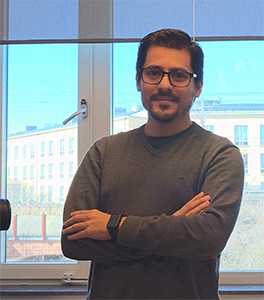
Michael Fernández Vega, PhD student, University of Alicante (Spain)
Biography
PhD student in Computer Science specializing in collaborative robotics, human–robot interaction, and intelligent manufacturing. Research focuses on repurposing industrial robots into cobots using AI, digital twins, and multimodal perception, with experience in academia and industry.
Abstract
This talk presents ongoing research on the use of Retrieval-Augmented Generation (RAG) and open-source Large Language Models (LLMs) to support the conversion of conventional industrial robots into collaborative robots. The proposed framework combines structured robotic datasets, semantic retrieval, and expert knowledge to identify missing collaborative and safety requirements for legacy robotic systems. The presentation will also discuss the development of an industrial safety audit framework based on ISO 10218-1:2025, ISO 10218-2:2025, and ISO/TS 15066, which is being applied to a real industrial robotic cell as the case study for validating the proposed methodology. Finally, the talk will outline current progress, ongoing challenges, and future research directions toward AI-assisted collaborative retrofit assessment.
16:00–17:00
Bridging Governance and Sustainability: Evidence-Based Standards for Deploying Agentic AI Systems in Real-World Contexts
Chinyere .C. Okechukwu, PhD student, University of Hradec Králové (Czechia)
Biography
PhD researcher in systems engineering and informatics at University of Hradec Králové. Conducting systematic review on Agentic AI governance, safety, and deployment. Integrates agent-based modeling, statistical analysis, and sustainability frameworks for evidence-based decision support in AI systems.
Abstract
Agentic Artificial Intelligence systems, autonomous agents capable of multi-step reasoning, planning, and goal-directed action are rapidly transitioning from research laboratories into production environments across healthcare, finance, customer service, and cybersecurity. Yet this transition occurs without standardized governance frameworks, validated benchmarking approaches, or evidence-based deployment guidelines. This seminar presents a PRISMA 2020 systematic literature review addressing this critical gap, synthesizing 90+ peer-reviewed empirical studies (2015–2026) to establish: (1) definitional clarity and architectural taxonomies distinguishing Agentic AI systems; (2) real-world deployment contexts and sector-specific implementation patterns with success/failure factors; (3) a five-dimensional benchmarking framework addressing the 83% technical-to-sustainability measurement imbalance.

Friday, September 11
S1080, S Building
15:00–16:00
Isolation-Based Anomaly Detection for Evolving Data Streams
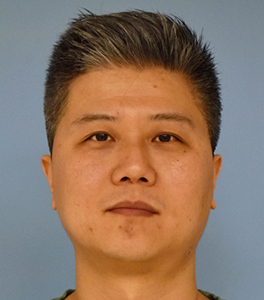
Jia Justin Liu, PhD student, University of Waikato (New Zealand)
Biography
Jia (Justin) Liu is a PhD candidate at the University of Waikato, New Zealand, supervised by Prof. Albert Bifet. His research focuses on streaming machine learning and anomaly detection, with particular emphasis on isolation forest methods for evolving data streams. His work addresses core challenges in stream learning, including concept drift adaptation, semi-supervised learning under label scarcity, and evaluation methodologies for imbalanced streaming data. His recent contributions include the Adaptive Isolation Forest (Discovery Science 2025) and the Streaming Isolation Forest (PAKDD 2025), alongside ongoing work on semi-supervised extensions of isolation-based detectors. He has submitted his doctoral thesis and expects to complete his degree in 2026.
Abstract
Anomalies are rare, high-impact events, and detecting them in continuous data streams remains a persistent robustness challenge for deployed AI systems. Streaming settings break the assumptions most detectors rely on: each instance is seen once under bounded memory, the underlying distribution drifts over time, and labels are unavailable or expensive. My research develops four isolation-based detectors designed for these conditions. In the unsupervised domain, one preserves a global view of the cumulative distribution via reservoir sampling and incremental subtree regrowing, while the other tracks the recent local distribution using a sliding window and selectively replaces the weakest ensemble members. Building on these, two semi-supervised extensions use a small labelling budget, with label information guiding scoring, ensemble maintenance, and active learning.
16:00–17:00
The Hydrone Project: Building and Coordinating a Cooperative Aerial–Aquatic Robotic System
Aline Timm, PhD student, Federal University of Rio Grande (Brazil)
Biography
PhD candidate in Computational Modeling at FURG, Brazil, researching cognitive architectures for cooperative multi-robot coordination. She is Technical Project Manager of the Hydrone project, developing autonomous air-water robotic systems for offshore inspection.
Abstract
Robotic operations that span air, water surface, and underwater environments pose challenges that rarely appear in single-domain systems. In this talk, I will present the Hydrone Project, a decade-long effort at the Federal University of Rio Grande (FURG) to build a hybrid unmanned aerial–underwater vehicle (HUAUV) that cooperates with an autonomous surface vehicle (the WhiteBoat USV) to inspect and monitor offshore environments. I will walk through the platform from the ground up: the 6-DOF dynamic modeling of both vehicles and its experimental validation, the finite-state autonomy architecture that runs the missions under real hardware and communication constraints, and the engineering decisions behind safe air-to-surface-to-dive transitions. I will conclude with the open research question that emerged from this work — how two robots can coordinate reliably when the communication link between air and water fails — which motivates my current doctoral research.

Monday, September 14
S1080, S Building
15:00–16:00
Graph Neural Networks for Localizing Structured Sensor Data
Syed Muhammad Hamza Zaidi, PhD student, Otto von Guericke University Magdeburg (Germany)
Biography
Hamza Zaidi is a PhD student at Otto-von-Guericke University Magdeburg, working at the Knowledge Management & Discovery Lab (KMD) and TACTIC Graduate School. His research focuses on spatio-temporal deep learning, wearable sensor systems, health signal processing and interpretable graph neural networks aimed at bridging the gap between AI research and clinical practice.
Abstract
This talk focuses on a graph based approach for multi sensor time series, where breathing motion, hand movement, and similar signals are distributed across many coupled sensors rather than captured by one. We introduce the Physio Digital Temporal Graph, representing sensors as nodes and their anatomical or functional coupling as edges, combined with temporal graph neural networks that quantify how a local change at one node influences its neighbors. This influence factor is paired with attribution based explanation to localize evidence rather than only produce a prediction. Through case studies on smart vest breathing data and instrumented glove hand kinematics, we demonstrate that this approach localizes abnormalities and movement strategies more clearly than channel wise or purely global models.

16:00–17:00
AutoML for Data Streams
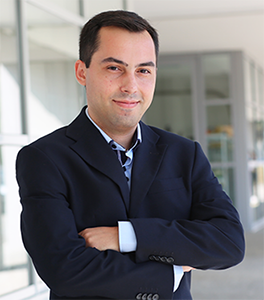
Bruno Veloso, Associate professor, University of Porto (Portugal)
Biography
Bruno Veloso is an associate professor at Faculty of Economics at the University of Porto, Portugal, and a Senior Researcher at LIAAD – INESCTEC (Laboratory of Artificial Intelligence and Decision Support). He received his BSc degree in Electronics and Computer Engineering in 2010, and in 2012 he finished his MSc in Electronics and Computer Engineering in Telecommunications at Instituto Superior de Engenharia do Porto, Portugal. He has an International PhD in Telematics Engineering from the University of Vigo. He develops scientific research in Artificial Intelligence, which involves Multiagent Systems and Machine Learning. Bruno has authored over 80 publications in peer-reviewed international journals, book chapters and conference proceedings. During the last years, he has served as an expert/reviewer of several conferences and journals, and he was associate editor of two journals.
Abstract
This talk focus on a novel AutoML approach for dynamic data streams, where optimal hyperparameters must evolve to handle concept drift. We introduce self-parameter-tuning algorithms based on Nelder-Mead optimization, micro-evolutionary algorithms, and swarm intelligence. These techniques use exploration and deployment phases to continuously adapt model parameters on the fly. Through case studies on diverse ML tasks, we demonstrate with synthetic and real-world data that these methods achieve lower prediction error, successfully adapt to drift, and consistently outperform static AutoML techniques.
Monday, September 28
S1080, S Building
15:00–16:00
Neural Processes for Spatiotemporal Environmental Modeling
Anna Pazola, PhD student, Brunel University of London (UK)
Biography
Anna is a PhD candidate in the London NERC Doctoral Training Partnership, jointly hosted by the Department of Computer Science at Brunel University of London, and the Department of Geography at University College London (UCL). Her research focuses on developing data-driven approaches to estimate groundwater storage changes. She’s particularly interested in spatiotemporal interpolation and short-term forecasting of highly spatially variable data. Anna holds an MSc in Environmental Modelling from UCL and a BSc from the Technical University Berlin, Faculty of Electrical Engineering and Computer Science.
Abstract
Neural processes are a flexible class of probabilistic models that uniquely combine the expressive power of neural networks with the uncertainty quantification of Gaussian processes. This talk explores their applications in environmental sciences, focusing on spatial interpolation of precipitation, downscaling of climate data, and optimal sensor placement for groundwater monitoring. We highlight how neural processes can address key challenges in modelling complex spatiotemporal data.
16:00–17:00
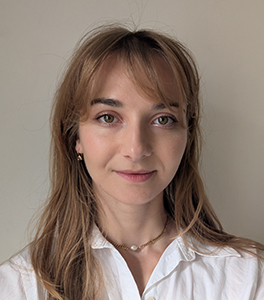
AI for Semantic Communication Systems
Otávio Augusto, PhD student, Federal University of Rio Grande do Sul (Brazil)
Biography
He holds a Bachelor’s degree in Electronic and Telecommunications Engineering and an M.Sc. in Electrical Engineering, with an internship at Airbus. He is currently a PhD student and a researcher at CEDRA, focusing on intelligent communication systems.
Abstract
Artificial Intelligence (AI) is increasingly being explored as a key enabler for next-generation communication systems. It can make these systems more adaptive, efficient, and intelligent by enabling them to respond dynamically to changing network conditions, requirements, and resource constraints. This seminar explores the role of AI in communication systems, focusing on semantic communication. Traditional communication systems primarily aim to ensure the reliable transmission of bits. In contrast, semantic communication considers the meaning, relevance, or usefulness of the transmitted information, in which AI plays a key role in extracting, interpreting, and selecting the most relevant information to communicate. The seminar will introduce the fundamental concepts of semantic communication and discuss how AI techniques can support adaptive decisions regarding when, what, and how to transmit. Finally, the talk will address key challenges, including generalization and scalability.
Tuesday, September 29
S1080, S Building
15:00–16:00
Concept-Based Explanations for Time Series
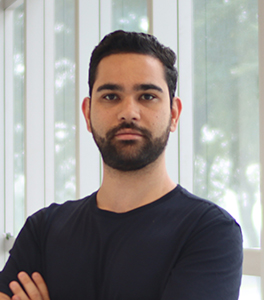
Felix Gerschner, PhD student, Justus Liebig University Giessen (Germany)
Biography
Felix Gerschner is a doctoral researcher at Justus Liebig University Giessen. His research focuses on Explainable Artificial Intelligence, particularly concept-based methods and interpretable representations, with an interest in transparency and trust in machine learning systems.
Abstract
A large part of explainability has focused on attributing predictions to individual input features. For time series models, however, such explanations often fail to uncover the higher-level temporal structures driving predictions. Concept-based explanations provide an alternative by relating model behaviour to human-understandable abstractions. Although this approach is well-established in computer vision, its application to temporal data presents unique challenges: What is a concept in time series, and how can such concepts be discovered and validated? This talk addresses these issues and outlines central challenges for concept-based explanations in time series.
16:00–17:00
Towards Interpretable Anomaly Detection in Dynamic Networks
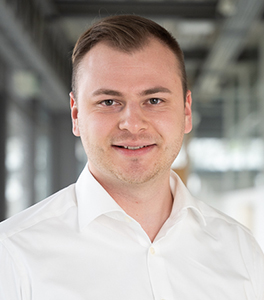
Philipp Schlinge, PhD student, Osnabrück University (Germany)
Biography
Abstract
Consistent and informative explanations of deep neural networks are crucial for their application in many domains. Prototype and motif learning is a promising approach to disentangle information flow within deep learning models, enabling more focused and expressive explanations. Such approaches have shown particular potential in structured domains such as computer vision, where the inherent structure of images supports intuitive interpretations.
This talk presents this background and discusses how similar ideas can be transferred to the domain of dynamic networks. In contrast to images, dynamic networks lack a fixed structure, making the interpretation of temporal behaviour more challenging. We argue that combining established methods and statistics from classical network analysis with modern deep learning models provides a promising way to address this challenge. We demonstrate this approach through an anomaly detection study on dynamic networks, where temporal behaviour statistics are incorporated into the existing network data. The results show improvements in both explanation quality and predictive performance.
Thursday, October 1
S1080, S Building
15:00–16:00
From Why to What Next, Rethinking How We Explain AI Decisions
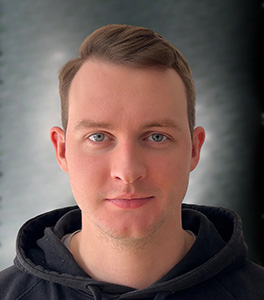
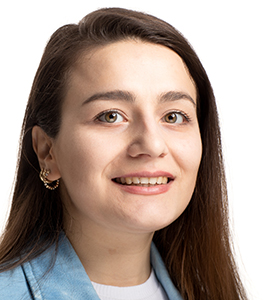
Betül Bayrak, Postdoctoral researcher, Norwegian University of Science and Technology (Norway)
Biography
Betül Bayrak is a Postdoctoral Researcher with the Norwegian Research Center for AI Innovation (NorwAI) at the Norwegian University of Science and Technology (NTNU). She received her Ph.D. degree in Computer Science from NTNU in 2025, where her dissertation focused on counterfactual explanations and evaluations. She holds an M.Sc. degree in Computer Engineering from Çankaya University (2020) and a B.Sc. degree in Computer Science from Gazi University (2017). Her research interests include explainable artificial intelligence (XAI), with a particular focus on instance-based explanations and evaluation, and on integrating uncertainty quantification with explainability methods for temporal data.
Abstract
When an AI system rejects your application, flags your medical scan, or misclassifies a failing base station during an earthquake, a natural question follows: why? Explainable AI has produced increasingly sophisticated answers, but “why” turns out to be the wrong question in many situations where explanation matters most. This talk traces a more useful question: “What would need to change?” I introduce counterfactual explanations as a framework for actionable and human-centered AI transparency, walk through how they are generated and optimized, and examine the criteria the field uses to judge their quality. The evaluation foundations are weaker than the benchmarks suggest, and the implications extend to regulatory frameworks that already rely on them. Real applications in healthcare and disaster response keep the discussion grounded throughout.
16:00–17:00
UAV-based Building Facade Cleaning Using Autonomous Windows Detection
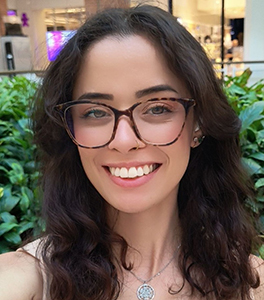
Monielly Monteiro, PhD student, Federal University of Rio Grande do Sul (Brazil)
Biography
Monielly Monteiro is a mechanical engineer and holds a Master’s degree in Computer Science. She is currently pursuing a PhD in the Graduate Program in Electrical Engineering. She works as a researcher in Robotics, with a focus on aerial agents, Embedded Systems, Computer Vision, Artificial Intelligence and communication between robotic agents. She also has experience in synthetic data generation, contributing to the development of intelligent solutions for autonomous systems.
Abstract
This work presents an autonomous unmanned aerial vehicle (UAV)-based system for cleaning glass building facades. The proposed solution combines a real-time computer vision subsystem, built upon the YOLO (You Only Look Once) object detection architecture for accurate window localization, with an embedded control module that actuates high-pressure water nozzles to perform the cleaning task. A custom dataset composed of both real-world and synthetic images of glass facades was built and used to train and evaluate several YOLO models. Among them, YOLOv12 achieved the highest performance, attaining a mean Average Precision (mAP50) of 80% for the “glass window” class. The integrated system was thoroughly validated through simulations in Gazebo/ROS2 and real-world field experiments using a dedicated UAV platform (Skyclean drone), demonstrating reliable detection performance and safe operation. Results confirm that the approach effectively automates facade maintenance, significantly improving cleaning operations, reducing costs and human risk exposure, and providing a robust, extensible framework for future fully autonomous facade cleaning systems.
Friday, October 2
S1080, S Building
15:00–16:00
When More Information Is Not Better: Communication-Aware, Secure, and Adaptive Cooperative Perception in V2X Network
Antonio Santos da Silva, PhD student, Karlsruhe Institute of Technology (Germany)
Biography
Antonio Santos da Silva is a PhD candidate at Karlsruhe Institute of Technology (KIT), Promotionskolleg NRW (PK NRW), Germany, and the Federal University of Rio Grande do Sul (UFRGS), Brazil. Currently, he is a Research Assistant at Hamm-Lippstadt University of Applied Sciences in Germany. He holds a MSc in Computer Science from the UFGRS in 2021 and a B.Sc. in Software Engineering from the Federal University of Goiás in 2019. His research interests include ICN, SDN, fog computing, 5G, 6G and cooperative perception.
Abstract
Cooperative perception enables connected and automated vehicles to extend their sensing capabilities by sharing information with other vehicles and infrastructure. However, more cooperative information does not necessarily lead to better decisions. Richer representations increase communication demand and may introduce latency, packet loss, and information staleness, while cyber threats, resource constraints, and the lifetime of shared information further determine whether cooperation remains useful. This talk presents a unified cross-layer framework for communication-aware, secure, and adaptive cooperative perception in V2X networks. The framework connects cooperative representation and selection, communication conditions, information freshness, closed-loop perception and safety evaluation, adaptive transmission, resource placement, and lifecycle assurance. Drawing on multi-band RF measurements, CARLA–SUMO–OMNeT++/SIMU5G co-simulation, communication- and uncertainty-aware sensor selection and compression, and distributed cooperative systems, the talk examines the conditions under which cooperative information improves downstream decisions—and when its value collapses. The central engineering principle is simple: cooperative systems should not maximize the amount of information exchanged, but rather the amount of useful, trustworthy, and timely information that can reach the decision point before its validity expires.

16:00–17:00
Real-Time LiDAR-Based 3D Object Detection for Mobile Robotics
Mohammad Khoshkdahan, PhD student, Karlsruhe Institute of Technology (Germany)
Biography
Mohammad Khoshkdahan is a PhD student at the Karlsruhe Institute of Technology (KIT), Germany. He previously worked as a student researcher at Mercedes-Benz and completed his Master’s degree in Electrical Engineering at the University of Stuttgart. His research focuses on sensor fusion and collective perception for autonomous vehicles, as well as multi-robot coordination for traffic management.
Abstract
In this seminar, I will present my recent work on real-time LiDAR-only 3D object detection, with a focus on mobile robots and traffic scene understanding. The broader goal of this research is to build a perception and prediction pipeline for intelligent traffic systems. First, fast LiDAR-based object detection is used to identify and localize road users in 3D. Then, radar measurements can be used to monitor approaching vehicles near smart traffic lights. Finally, a trained trajectory estimation model predicts whether an approaching vehicle can stop smoothly and safely before the red light, or whether a possible red-light violation may occur.